By Elizabeth Costa — Top Real Estate Agent in Doral, Florida | The Keyes Company
15+ years of experience · 300+ closed transactions · Bilingual: English & Spanish
What do international buyers need to know before purchasing luxury real estate in Miami?
International buyers purchasing luxury property in Miami face six core process differences from domestic buyers. Financing options are limited to cash or foreign national loan programs (typically requiring 25 to 40 percent down without US credit history). Legal ownership can be personal, LLC, land trust, or foreign corporation, each with different tax and privacy implications. An Individual Taxpayer Identification Number (ITIN) is often required for tax and title purposes if the buyer does not have a Social Security Number. Wire transfer and closing logistics require compliance with FinCEN reporting for cash purchases above certain thresholds. Property tax and future capital gains tax under FIRPTA (Foreign Investment in Real Property Tax Act) affect after-purchase economics. Property management for owners abroad is essential for ongoing operations. Miami luxury pricing for international buyers typically ranges from $1 million (entry pre-construction) to $30 million and above (ultra-luxury waterfront and branded residences).
In This Guide
- Why International Buyers Choose Miami
- Legal Ownership Structures
- Financing Options for International Buyers
- The ITIN Process
- Wire Transfer, Escrow, and Closing Logistics
- Tax Considerations: FIRPTA, Property Tax, Capital Gains
- Pre-Construction and Branded Residences
- Property Management for Owners Abroad
- Timeline of a Typical International Luxury Purchase
- How to Structure Your Miami Luxury Purchase
- Frequently Asked Questions
Miami has been an anchor destination for international luxury real estate for decades. Buyers from Latin America, Europe, the Middle East, and Asia consistently choose Miami for lifestyle, financial planning, currency diversification, family relocation, and investment reasons. But purchasing luxury real estate as an international buyer in Miami involves a different process than domestic buying — different financing, different ownership structures, different tax exposure, different closing logistics. Getting each of those right is the difference between a smooth acquisition and a costly mistake.
I'm Elizabeth Costa, a Realtor with The Keyes Company. I work with international luxury buyers regularly, in English, Spanish, and Portuguese, and I coordinate with the attorneys, CPAs, mortgage brokers, and title companies who specialize in cross-border transactions. This guide reflects the process that actually works.
Why International Buyers Choose Miami
The reasons international buyers select Miami for luxury real estate cluster around six themes:
1. Currency and asset diversification. Miami real estate offers exposure to US dollar-denominated assets in a market with long-term appreciation history. For buyers whose home-country currency is volatile, US real estate provides a hedge.
2. Estate and family planning. Buyers relocating family, planning generational transfers, or establishing a US base for children pursuing education or professional careers frequently purchase Miami real estate as part of a broader family plan.
3. Time zone and travel access. Miami International Airport (MIA) offers direct-flight connectivity to nearly every Latin American capital and major European hubs. For buyers who travel frequently between home country and the US, Miami minimizes commute friction.
4. Cultural and language accessibility. Miami's bilingual and multilingual character (English, Spanish, Portuguese, French, Haitian Creole) reduces the friction that international buyers experience in other US markets.
5. Investment and rental income potential. Miami luxury real estate can generate meaningful rental income for owners not in residence year-round, though rental income planning requires understanding of city, HOA, and tax rules.
6. Lifestyle. Beach, boating, dining, arts, and hospitality-brand infrastructure make Miami a preferred residential destination independent of investment considerations.
Legal Ownership Structures
The first strategic decision for an international luxury buyer is how to hold the property. Four common structures apply:
Personal ownership. The simplest structure. The buyer's name appears on title. Advantages: simplicity, lower entity setup and maintenance costs. Disadvantages: personal exposure to US estate tax on Florida real estate at death, name on public title records, no liability shield.
Domestic LLC (US-based limited liability company). The property is held in a Florida or Delaware LLC. Advantages: liability shield, some privacy from public records (depending on state), flexible tax treatment. Disadvantages: setup costs, ongoing filing requirements, potential complications with international tax treatment of LLCs.
Land trust. Florida land trusts allow property to be held with the trustee's name on public records rather than the beneficiary's. Advantages: privacy, simplified transfer at death. Disadvantages: complexity, some tax and lender complications.
Foreign corporation or offshore entity. Property held by a foreign entity. Advantages: potentially favorable estate tax treatment (structured properly), maximum privacy. Disadvantages: complex tax treatment including potential FIRPTA withholding, higher setup and maintenance costs, US tax reporting requirements.
The right structure depends on the buyer's home country tax residence, family planning objectives, liability concerns, and investment horizon. This is a decision to make with a CPA and attorney experienced in cross-border real estate before the offer is written, not after.
Financing Options for International Buyers
International buyers have three practical financing paths for Miami luxury real estate:
1. All cash. The dominant path for ultra-luxury and branded-residence transactions in Miami. Advantages: no financing contingency, faster close, stronger offer competitiveness. Disadvantages: capital commitment upfront, opportunity cost of funds.
2. Foreign national loan programs. Specialized mortgage products designed for non-US-resident buyers. Typical parameters: 25 to 40 percent minimum down payment, no US credit history required, higher interest rates than domestic loans (typically 100 to 300 basis points above conforming loan rates), documentation from home country bank statements, tax returns, and asset verification. Available at select lenders with international divisions.
3. Domestic-resident loans. If the buyer has US residence status (green card, work visa) and US credit history, standard domestic mortgage products may apply. This is less common in the ultra-luxury segment where most international buyers are non-resident.
Cash accounted for the majority of ultra-luxury transactions in Miami's core corridors in Q2 2026, per MLS data. For financed international buyers, offer strength on non-price dimensions (close timeline, contingency structure) is often decisive against competing cash offers.
The ITIN Process
An Individual Taxpayer Identification Number (ITIN) is a US tax processing number issued by the IRS to individuals who need a US taxpayer identification number but are not eligible for a Social Security Number. Most international buyers need an ITIN for:
- Filing US tax returns (including rental income reporting and FIRPTA withholding claims)
- Title company documentation and closing
- Bank account opening (some banks require ITIN)
- Property tax and homestead exemption applications
ITIN applications (Form W-7) can be submitted directly to the IRS with supporting documentation, or through a Certified Acceptance Agent (CAA) who can verify original documents so the buyer does not have to mail original passport to the IRS. Processing time is typically 6 to 12 weeks. Starting the ITIN process early in the buying timeline avoids closing delays.
Wire Transfer, Escrow, and Closing Logistics
International closings involve additional logistical steps beyond a domestic transaction:
Wire transfer coordination. International wires must be initiated from the buyer's home country bank, typically through SWIFT. Wire routing, intermediary bank fees, and exchange rate timing all affect the actual amount received at closing. Coordinating with the escrow agent, home country bank, and closing attorney days before closing reduces risk of same-day surprises.
FinCEN reporting. The US Financial Crimes Enforcement Network requires reporting on all-cash purchases of residential real estate above defined thresholds in specific metropolitan areas including Miami-Dade. Title companies handle the reporting, but the buyer should understand that the transaction will be reported.
Escrow accounts. Deposits, closing balance, and any inspection or appraisal credits flow through a title company escrow account. Choose a title company with international transaction experience.
Remote signing. Buyers not physically present at closing typically sign closing documents at a US embassy, consulate, or through a US notary in the buyer's home country using apostille or authenticated documents. Coordination with the title company and closing attorney is essential.
Power of attorney. Some buyers grant a power of attorney to a trusted representative or attorney in the US to sign on their behalf. The power of attorney must be properly executed and recognized under Florida law, typically with apostille certification from the buyer's home country.
Tax Considerations: FIRPTA, Property Tax, Capital Gains
Three tax categories affect international owners of Miami real estate:
Property tax. Miami-Dade County assesses annual property tax at approximately 1 to 2 percent of assessed value depending on jurisdiction and applicable exemptions. Non-resident foreign owners are generally not eligible for Florida's Homestead Exemption, which reduces taxable value for primary residents. This means non-resident foreign owners typically pay full-rate property tax.
Rental income tax. If the property generates rental income, US tax applies. Non-resident foreign owners are subject to a 30 percent withholding on gross rental income by default, though this can be reduced by electing net-basis taxation (paying tax on net income after expenses) via Form W-8ECI. Consulting a US CPA experienced with foreign taxpayers is essential to structure rental income correctly.
FIRPTA (Foreign Investment in Real Property Tax Act) at sale. When a foreign owner sells US real estate, FIRPTA requires the buyer to withhold 15 percent of the gross sale price and remit to the IRS as prepayment of the seller's capital gains tax. The seller then files a US tax return to reconcile actual capital gains tax owed against the FIRPTA withholding. Various exceptions and reduced-rate certifications can lower the withholding rate; planning ahead of sale is important.
These are simplified summaries. Real cross-border tax planning requires an experienced CPA. Do not rely on general online information for a specific transaction.
Pre-Construction and Branded Residences
International buyers are a significant portion of the pre-construction and branded-residence buyer pool in Miami. Pre-construction offers several advantages for international buyers:
- Staged deposits over 2 to 4 years spread the cash outlay
- Buying at Tier 1 pricing can capture appreciation between contract and delivery
- Branded residences offer hospitality-brand services attractive to owners not in residence year-round
- New construction reduces early-ownership maintenance and renovation friction
Notable Miami pre-construction and branded residence projects that consistently attract international buyers include Miami Worldcenter (Downtown), NoMad Residences Wynwood, Cipriani Residences and 888 Brickell (Dolce & Gabbana) in Brickell, and The Residences at 1428 Brickell. For a full walkthrough of one of these ultra-luxury projects, see the video tour of The Residences at 1428 Brickell or visit the 1428 Brickell landing page for the current sales status.
For a broader guide to the Miami pre-construction pipeline including deposit structures, timelines, and branded residence categories, see Pre-Construction Luxury Condos in Miami: Worldcenter, NoMad Wynwood & Beyond.
Property Management for Owners Abroad
Owners not in residence year-round need reliable local infrastructure for the property. Practical considerations:
Property manager or building concierge. Branded residences typically include hospitality-brand management as part of the ownership model. Non-branded buildings require the owner to arrange separately. Fees typically 8 to 12 percent of monthly rental if rented, or a fixed monthly retainer for owner-occupied properties.
Insurance. Owners abroad still need Florida homeowners insurance and, for waterfront property, windstorm and flood coverage. Coordinating claims from abroad requires a US-based insurance broker familiar with foreign-owner claims.
Utility and HOA payments. Automated payment from a US bank account is essential. Many international owners set up a US bank account specifically for property expenses.
Tax documentation. The property manager or title company should provide annual tax documentation for the owner's US tax return. Rental income tracking should be organized from day one.
Emergency response. Hurricane season requires clear pre-arranged response protocols with the property manager for shuttering, monitoring, and post-storm inspection.
Timeline of a Typical International Luxury Purchase
A typical timeline from initial interest to closing for an international luxury purchase:
- Weeks 1 to 4: Initial market and neighborhood research, video and in-person tours, shortlist creation
- Weeks 3 to 6: Legal structure decision with CPA and attorney, ITIN application if not already held
- Weeks 4 to 8: Offer, contract negotiation, escrow deposit initiation from home country bank
- Weeks 6 to 10: Inspection, appraisal (if financed), title work, insurance quotes
- Weeks 8 to 12: Wire coordination, remote signing preparation, power-of-attorney documentation if applicable
- Weeks 10 to 14: Closing, key transfer, property management setup
Pre-construction transactions extend this timeline significantly, with 2 to 4 years from contract to final closing at delivery. For pre-construction specifically, the ITIN, legal structure, and property-management infrastructure can all be set up during the construction period.
How to Structure Your Miami Luxury Purchase
A five-step framework I walk through with international luxury buyers:
-
Define your use case clearly. Primary future residence, second home for family use, investment for rental income, or asset diversification each imply different structural choices. Clarify before touring properties.
-
Meet with a cross-border CPA and attorney early. Legal structure, tax planning, and estate planning decisions affect what and how you buy. Making these decisions after the offer is signed is inefficient and often costly.
-
Start the ITIN process early. The 6 to 12 week processing time can delay closing if started too late. Begin during property research phase, not after offer acceptance.
-
Choose transaction partners with cross-border experience. Real estate agent, attorney, CPA, title company, insurance broker, and property manager should all have specific international-buyer experience. Ask for references and confirm.
-
Model total ownership economics, not just purchase price. Property tax, insurance (including windstorm), HOA fees, property management, currency conversion friction, and eventual FIRPTA at sale all affect the true cost of Miami luxury ownership. Model 5 to 10 year total.
Related Luxury Real Estate Research
If you're evaluating Miami luxury real estate more broadly, these companion guides go deeper on specific angles:
- Doral vs Coral Gables: Where to Buy Luxury Real Estate in 2026
- Miami's Luxury Waterfront Homes: A Complete Neighborhood Guide
- Trump National Doral & Miami's Top Luxury Golf-Course Communities
- Pre-Construction Luxury Condos in Miami: Worldcenter, NoMad Wynwood & Beyond
- The Residences at 1428 Brickell — Video Condo Tour
- Relocating to Doral as an International or Bilingual Buyer
The Complete Luxury Real Estate Series
- Doral vs Coral Gables: Where to Buy Luxury Real Estate in 2026
- Miami's Luxury Waterfront Homes: A Complete Neighborhood Guide
- Trump National Doral & Miami's Top Luxury Golf-Course Communities
- Pre-Construction Luxury Condos in Miami: Worldcenter, NoMad Wynwood & Beyond
- The Discreet Sale: How Off-Market Luxury Real Estate Works in Miami
- Learn more about Elizabeth Costa's Luxury Real Estate specialty services in Doral & Miami
Frequently Asked Questions
Buying Luxury Real Estate in Miami From Abroad?
I work with international luxury buyers in English, Spanish, and Portuguese, coordinating with the attorneys, CPAs, mortgage brokers, and title companies who specialize in cross-border transactions.
Call or Text (786) 949-3971The Keyes Company · 4191 NW 107th Ave, Doral, FL 33178
elizabethcosta@keyes.com · Schedule a Consultation
Serving Doral, Miami, Coral Gables, and Pinecrest
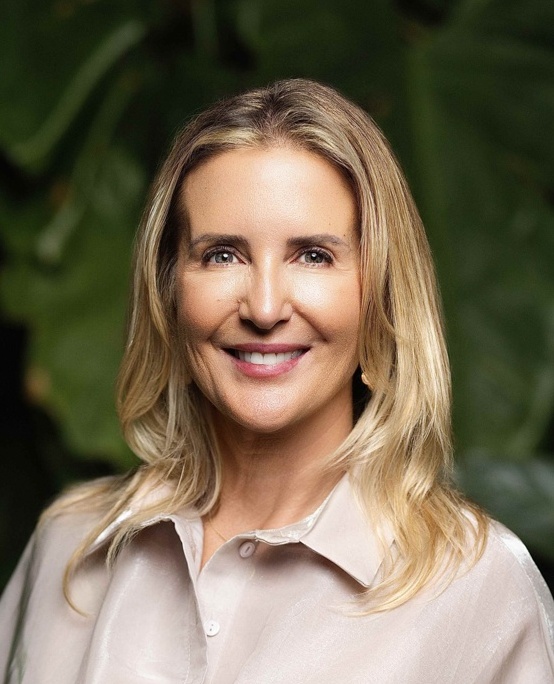 |
Elizabeth Costa, Realtor — FL Lic. #3234205 Top Real Estate Agent in Doral, Florida | The Keyes Company ☎ (786) 949-3971 ✉ elizabethcosta@keyes.com 📅 Schedule a private consultation 15+ years · 300+ closed transactions · Bilingual EN/ES Office: 4191 NW 107th Ave, Doral, FL 33178 Serving Doral, Miami, Coral Gables, and Pinecrest |