By Elizabeth Costa - Top Real Estate Agent in Doral, Florida | The Keyes Company
15+ years of experience · 300+ closed transactions · Bilingual: English & Spanish
What do buyers need to know about luxury real estate in Doral and Miami in 2026?
Miami-Dade's luxury single-family market is organized into four price tiers spanning six major submarkets. Entry luxury ($1M to $2M) dominates Doral, Coral Gables core, and adjacent Miami Springs. Core luxury ($2M to $5M) covers most of Coconut Grove, Coral Gables, and Pinecrest. High-end luxury ($5M to $10M) concentrates in Coconut Grove, South Miami and High Pines. Ultra-luxury ($10M and above) concentrates in Pinecrest, Coconut Grove, and Miami Beach barrier islands. Combined months of supply across the Coral Gables corridor sits at 2.2 in Q2 2026, confirming strong seller's-market conditions. Cash accounted for 46 to 67 percent of transactions in ultra-luxury tiers per Miami-Dade MLS data. The corridor spans from Doral (west) to Coral Gables and South Miami (south) to Miami Beach barrier islands (east), with distinct submarkets for waterfront, golf communities, pre-construction condos, and discreet off-market sales.
In This Guide
- What Defines Luxury Real Estate in Doral and Miami
- The Four Price Tiers
- The Six Major Submarkets
- Housing Types Across the Luxury Corridor
- The Four Luxury Buyer Profiles
- The Financing Landscape
- Q2 2026 Market Dynamics
- Seasonality and Timing
- Transaction Structure — MLS or Off-Market
- Working With the Right Agent
- The Six-Step Framework for Buying Miami Luxury Real Estate
- Frequently Asked Questions
Miami-Dade luxury real estate in 2026 is not one market. It is a corridor of related-but-distinct submarkets running from Doral in the west, through Coral Gables and its surrounding communities in the south, to Miami Beach's barrier islands in the east. Each submarket has its own architectural identity, price tier structure, buyer profile, and negotiation dynamic. Understanding how they fit together is the difference between a luxury purchase that solves your real problem and one that requires an expensive re-decision two years later.
I'm Elizabeth Costa, a Realtor with The Keyes Company based in Doral. This guide is the comprehensive overview of the luxury market I use with clients evaluating their first, second, or third purchase in Doral and Miami. Each section links to a deeper supporting guide for the specific angle that matters most to your situation. Every number and market observation in this guide comes from Miami-Dade MLS data or verified market sources.
What Defines Luxury Real Estate in Doral and Miami
"Luxury" in Miami-Dade is not a single price threshold. In practice, the local market treats several thresholds as meaningful:
- $1 million — the effective entry point to the luxury conversation. Below this, most Miami-Dade single-family inventory is mid-market rather than luxury.
- $2 million — the threshold where core luxury inventory begins, especially in Coral Gables, Coconut Grove, and Pinecrest.
- $5 million — the threshold where high-end luxury architectural quality, lot size, and neighborhood cachet compound.
- $10 million — the threshold for ultra-luxury. Above this, the buyer pool is small, specific, and often international. Most transactions above $10M share meaningful common characteristics: waterfront, gated privacy, ultra-luxury branded residences, or historic architectural significance.
Beyond price, three qualitative characteristics define the luxury tier in Miami-Dade: exceptional location (waterfront, walkable urban, gated community, or historic district), meaningful architectural or design distinction (custom builds, ultra-luxury branded residences, or heritage Mediterranean Revival), and specific amenity infrastructure (deep-water dockage, golf-course frontage, hospitality-brand services in branded residences).
Every luxury transaction I work on hits at least one of these three qualitative characteristics. Homes at $2M in a standard subdivision often behave more like premium mid-market than luxury. Homes at $2M in Cocoplum, Coconut Grove Bayfront, or Doral Isles behave as luxury because location or amenity infrastructure carry them.
The Four Price Tiers
Miami-Dade luxury organizes into four practical price tiers. The tier drives buyer behavior, financing dynamics, days on market, and negotiation flexibility.
Entry Luxury: $1M to $2M
The largest luxury tier by transaction volume. Dominant in Doral (median 2026 sale price of $1,025,000 for ZIP 33178 per Q2 MLS data), Coral Gables core (33134), and Miami Springs edge (33166). This tier includes both single-family homes in established gated communities and pre-construction condos in Miami Worldcenter, NoMad Wynwood, and the Miami River corridor. Buyer profile skews to move-up local buyers, corporate transferees, and international buyers seeking entry to the Miami luxury conversation. Financing mix includes conventional loans, jumbo loans, and some cash.
Core Luxury: $2M to $5M
The center of gravity of the market. Coconut Grove (median $2,650,000 in Q2), Pinecrest (median $2,567,500), and South Miami with High Pines (median $2,900,000) all sit in this range. Cash share rises significantly at this tier (54 to 67 percent of Q2 transactions in these ZIPs per MLS data). Waterfront, larger lots, and mature landscaping become common features. Buyer profile is established professionals, family transferees, and international buyers seeking permanent or second-home residences.
High-End Luxury: $5M to $10M
The tier where architectural distinction and location scarcity compound. Waterfront homes in the Coral Gables gated communities (Cocoplum, Gables Estates, Old Cutler Bay), premium Coconut Grove Bayfront, and select ultra-luxury branded residences in Brickell operate here. Cash dominates. Transactions often involve legal-structure planning (LLCs, trusts, foreign entity ownership). Buyer profile is high-net-worth individuals and international family offices.
Ultra-Luxury: $10M and Above
The smallest but most distinctive tier. In Q2 2026, Pinecrest had 14 percent of closings above $10M (11 transactions), South Miami and High Pines had 13 percent (9 transactions), and Coconut Grove had 7 percent (5 transactions). Miami Beach barrier islands — Star Island, Fisher Island, Indian Creek Village, La Gorce Island, Venetian Islands — dominate this tier. Sales at $30M, $50M, and $100M happen here. Cash and international buyers dominate. Off-market transactions are common. Ultra-luxury branded residences (Cipriani, 888 Brickell Dolce & Gabbana, The Residences at 1428 Brickell, Mandarin Oriental) operate here.
The Six Major Submarkets
Miami-Dade luxury organizes geographically into six major submarkets. Each is a chapter of its own. This section is an overview. For deep dives, follow the linked supporting guides.
1. Doral
Anchored by Trump National Doral, the Doral Isles gated communities, Downtown Doral, and CityPlace Doral. Median 2026 sale price of $1,025,000 in ZIP 33178 with 43 days on market and 3.7 months of supply per Q2 MLS data. Newer construction, gated privacy, corporate corridor proximity. Buyer profile skews to corporate executives (Carnival Corporation, Univision, Telemundo, MIA-adjacent employers), international buyers, and families. Doral golf-community inventory includes Trump National Doral estates and Doral Estates.
2. Coral Gables Corridor
Historic Coral Gables anchored by Mediterranean Revival architecture, plus adjacent Coconut Grove, Pinecrest, South Miami with High Pines, Coral Gables Riviera, and Palmetto Bay. Combined 2.2 months of supply across the six-ZIP corridor in Q2 2026. Median prices range from $1,535,000 in Coral Gables core to $2,900,000 in South Miami. Cash share 46 to 67 percent depending on ZIP. Gated waterfront in Cocoplum and Gables Estates. Historic golf communities anchored by the Biltmore and Riviera Country Club. See the Doral vs Coral Gables comparison guide for the head-to-head analysis and the Coral Gables Area Q2 2026 market report for the current data.
3. Miami Beach Barrier Islands
The ultra-luxury tier of Miami waterfront. Star Island, Palm Island, Hibiscus Island, Fisher Island, Indian Creek Village, La Gorce Island, and the Venetian Islands. Sales $10M to $100M and above. Private-island character. Some islands (Fisher Island, Indian Creek Village) restrict access with private ferry or private incorporated municipality structure. The most exclusive Miami-Dade addresses live here. La Gorce Country Club and Indian Creek Country Club serve this tier.
4. Central Miami Bayfront and Waterfront
Coconut Grove Bayfront, Brickell, Miami Shores, Belle Meade. Walk-to-village or walk-to-work waterfront lifestyle. Coconut Grove median sale price of $2,650,000 with median PPSF of $1,081 (highest PPSF in the corridor). Brickell luxury pre-construction condos including Cipriani Residences, 888 Brickell (Dolce & Gabbana), Mandarin Oriental Residences, Baccarat Residences, and The Residences at 1428 Brickell. See the Miami waterfront neighborhood guide for the full tier breakdown across all Miami waterfront submarkets.
5. North Miami-Dade Waterfront
Bay Harbor Islands, Bal Harbour, Sunny Isles Beach, Aventura, Golden Beach. High-rise oceanfront and gated single-family. Sunny Isles branded residences include The Bentley Residences (Bentley Motors), Estates at Acqualina, Turnberry Ocean Club, and Ritz-Carlton Residences. Aventura offers waterfront single-family plus proximity to Aventura Mall. Golden Beach is single-family oceanfront with no commercial buildings.
6. South Miami-Dade Canal-Front and Golf Communities
The gated waterfront and golf-community tier of Miami-Dade luxury. Cocoplum and Gables Estates in Coral Gables. Old Cutler Bay spanning Coral Gables and Pinecrest. Deering Bay Yacht & Country Club (golf plus deep-water yacht dockage). Snapper Creek canal-front. This submarket serves buyers seeking deep-water yacht access with estate-scale gated privacy. See the Miami luxury golf communities guide for the full breakdown of golf-anchored inventory across Doral, Coral Gables, Pinecrest, and Miami Beach.
Housing Types Across the Luxury Corridor
Miami-Dade luxury includes several distinct housing types. Each behaves differently on pricing, resale, and buyer competition:
Historic Mediterranean Revival. Anchored by Coral Gables (founded 1925 by George Merrick) and select Coconut Grove estates. Consistent architectural identity, mature landscaping, land-scarcity premium. Trades on heritage and location rather than new-construction amenities.
Modern custom estates. Doral, Pinecrest, South Miami, and select Miami Beach barrier islands. Contemporary architecture, larger open floor plans, integrated smart-home systems, hurricane-rated impact glass. Newer construction generally requires less maintenance in the early ownership years.
Waterfront single-family. Cocoplum, Gables Estates, Old Cutler Bay, Coconut Grove Bayfront, Bay Harbor Islands, Golden Beach. Deep-water yacht access is the key differentiator. Seawall condition, elevation certificate, and windstorm insurance drive the ownership economics.
Golf-community homes. Trump National Doral, Deering Bay, Coral Gables Country Club Section, La Gorce Country Club area. Course frontage type and membership model define the pricing and resale dynamic.
Ultra-luxury branded residences. Aston Martin Residences, Cipriani Residences, 888 Brickell (Dolce & Gabbana), The Residences at 1428 Brickell, The Residences at Mandarin Oriental, Waldorf Astoria Residences Miami, The Bentley Residences Sunny Isles, and others. Hospitality-brand or luxury-goods-brand licensing. Trade at 20 to 50 percent PPSF premium to comparable non-branded inventory. See the Miami pre-construction luxury condos guide for the full pipeline.
The Four Luxury Buyer Profiles
After working with Miami-Dade luxury buyers regularly, four primary profiles emerge. Most transactions fit into one of these:
1. Local move-up buyers. Already living in Miami-Dade, upgrading from mid-market to luxury or from luxury to ultra-luxury. Strong local market knowledge. Financing mix includes conventional loans, jumbo loans, and some cash. Timeline is typically 3 to 9 months from decision to close.
2. Corporate relocation buyers. Executives relocating for Doral corridor employers (Carnival Corporation, Univision, Telemundo, other MIA-adjacent firms) or Downtown Miami/Brickell financial-sector employers. Employer relocation packages often apply. Timeline can be compressed to 30 to 90 days depending on start date. Doral typically fits Doral-corridor relocations. Brickell and Coral Gables typically fit downtown-sector relocations.
3. International buyers. A significant share of Miami-Dade luxury transactions. Latin America (particularly Colombia, Venezuela, Brazil, Argentina, Mexico), Europe, Middle East, and Asia. Cash-dominant transactions (46 to 67 percent of Q2 2026 luxury sales in the Coral Gables corridor were cash per MLS data). Foreign national loan programs available at 25 to 40 percent down without US credit history. See the international buyer luxury guide for the full process including ITIN, FIRPTA, wire logistics, and property management from abroad.
4. Investment and second-home buyers. Buyers acquiring Miami luxury as an investment or as a second home for family use. May be domestic or international. Pre-construction and branded residences frequently attract this profile. Rental income planning requires understanding of city rules, HOA rules, and tax structure.
The Financing Landscape
Miami-Dade luxury financing has three practical paths:
All cash. Dominant in ultra-luxury and branded residence transactions. Cash was 46 to 67 percent of Q2 2026 transactions in the Coral Gables corridor per MLS data. Advantages: no financing contingency, faster close, stronger offer competitiveness against other bidders. In competitive markets where multiple buyers offer, cash wins over higher financed offers with meaningful frequency.
Jumbo loans. For US residents purchasing above conforming loan limits (currently $1,209,750 in Miami-Dade for 2026). Requirements are stricter than conforming: higher credit score, higher reserves, lower debt-to-income, and larger down payment (often 20 to 30 percent). Rates are typically 25 to 50 basis points above conforming loans.
Foreign national loans. For non-US-resident buyers. 25 to 40 percent minimum down, no US credit history required, higher interest rates than domestic loans (typically 100 to 300 basis points above conforming), documentation from home country bank statements and asset verification.
For international buyers specifically, tax planning affects the financing decision. See the international buyer luxury guide for the full ITIN, FIRPTA, and legal-structure decision framework.
Q2 2026 Market Dynamics
Based on Miami-Dade MLS closed transactions for Q2 2026 (April through June), the Coral Gables corridor showed the following core metrics:
- Combined closed transactions: 348 across ZIPs 33134, 33133, 33156, 33146, 33143, 33158
- Combined months of supply: 2.2 months (strong seller's market territory)
- Median sale prices by ZIP: $1,535,000 (33134 Coral Gables core) to $2,900,000 (33143 South Miami and High Pines)
- Median price per square foot: $574 (33158 Palmetto Bay, lowest in corridor) to $1,081 (33133 Coconut Grove, highest)
- Cash share: 46 to 67 percent by ZIP
- Sale-to-original-list ratio: 89.6 to 95.3 percent
Doral single-family showed 53 closings in ZIP 33178 at $1,025,000 median, 43 days on market, and 3.7 months of supply. The Miami Springs edge (33166) showed 45 closings at $860,000 median with 1.1 months of supply, running as a tighter market than Doral core.
See the Doral Q2 2026 hyperlocal report and the Coral Gables Q2 2026 market report for the full data breakdown by ZIP, subdivision, and price band.
Seasonality and Timing
Miami-Dade luxury has seasonal patterns worth understanding:
Winter high season (December through April). International buyer arrivals concentrate here. Luxury transaction volume peaks. Inventory is typically well-marketed and priced firmly. Buyers with flexibility on timing can benefit from winter shopping but should expect competitive dynamics.
Spring transition (April through June). Winter buyers close, spring listings launch. Balance between buyers who need to close before summer and sellers testing summer pricing. Second-half of Q2 often shows strongest sale-to-list ratios.
Summer softness (July through September). Reduced international buyer flow. Local buyer activity continues. Some inventory sits longer, providing negotiation flexibility for buyers with time. Sellers may adjust pricing during this period.
Fall re-entry (October through November). International buyers begin planning winter arrivals. Inventory positions ahead of winter season. Buyers who want to close before winter should plan for October-November closing timelines.
Timing your purchase to the season depends on your specific situation. Corporate relocations often can't wait for optimal season. International buyers may have winter-arrival constraints. Local move-up buyers have the most timing flexibility and can leverage seasonal patterns.
Transaction Structure - MLS or Off-Market
Most Miami-Dade luxury transactions happen on MLS. This is the standard structure and generally works well for buyers and sellers at all luxury tiers. However, some transactions in ultra-luxury tiers ($10M and above) and in specific privacy-sensitive situations happen off-market.
Off-market inventory takes three forms: pocket listings (marketed within a listing agent's private network), whisper listings (informal agent-to-agent knowledge), and Coming Soon listings (formally announced as coming to MLS within a defined period). All three fall under the National Association of Realtors' 2020 Clear Cooperation Policy, which requires MLS entry within one business day of any public marketing.
Sellers choose off-market for privacy, timing flexibility, price discovery in thin markets, or preserving days-on-market history. Buyers access off-market inventory through their agent's participation in private-client networks and luxury referral platforms. See the off-market luxury real estate guide for the full breakdown of when off-market is the right structure and the regulatory framework governing it.
Working With the Right Agent
Miami-Dade luxury real estate has hundreds of licensed agents. Choosing the right one for your specific situation matters. Practical selection criteria:
Submarket depth. Miami-Dade luxury spans Doral in the west to Miami Beach barrier islands in the east. No agent is equally deep in every submarket. Agents typically have primary expertise in one or two submarkets and working knowledge of adjacent submarkets. Match your target submarket to the agent's primary expertise.
Buyer profile match. Agents who work with corporate transferees develop different playbooks than agents who work with international buyers or with local move-up buyers. Match your profile to the agent's demonstrated experience.
Language capability. For international buyers, a bilingual (or trilingual) agent reduces friction significantly. Miami's practical languages for luxury are English, Spanish, and Portuguese. French and Italian are useful in specific submarkets.
Documented track record. Ask specifically about closed transactions in the past 12 to 24 months in your target price band and submarket. Ask for references from recent buyer clients.
Brokerage support and network reach. Larger and more established brokerages have deeper referral networks, luxury marketing infrastructure, and international connectivity. The Keyes Company (established 1926, over 100 years serving South Florida), Compass, Sotheby's International Realty, Douglas Elliman, and other Miami-active luxury brokerages each have documented networks.
The Six-Step Framework for Buying Miami Luxury Real Estate
A six-step framework I use with luxury buyers evaluating Miami-Dade:
-
Define your buyer profile and use case clearly. Local move-up, corporate relocation, international, or investment buyer. Primary residence, second home, or rental investment. This determines everything else.
-
Match submarket to your priorities. Doral for corporate corridor proximity. Coral Gables for historic architecture and walkability. Coconut Grove for bayfront urban lifestyle. Pinecrest for larger lots and established estate character. Miami Beach barrier islands for ultra-luxury private-island living. See the Doral vs Coral Gables comparison for the head-to-head analysis of two of the most-comparison-shopped submarkets.
-
Choose housing type based on lifestyle equation. Historic Mediterranean estate, modern custom, waterfront with dockage, golf-community frontage, or ultra-luxury branded residence. Each is a different asset class with different pricing, maintenance, and resale dynamics.
-
Structure financing before touring seriously. Cash, jumbo, or foreign national loan. Pre-approval or proof of funds ready before offer submission. In competitive submarkets where multiple offers are common, financial readiness is a competitive advantage.
-
Assemble your transaction team. Bilingual real estate agent with submarket expertise, real estate attorney experienced with your buyer profile, CPA for tax and structure planning (especially for international buyers), title company with luxury and international transaction experience, insurance broker for waterfront and luxury coverage.
-
Model total ownership economics, not just purchase price. Property tax, HOA fees where applicable, windstorm and flood insurance for waterfront, club membership dues for golf communities, ongoing maintenance for older or larger properties, and eventual resale friction if the neighborhood-buyer-pool match is narrow. Model 5 to 10 year total.
The Complete Luxury Real Estate Series - Deep Dives
- Doral vs Coral Gables: Where to Buy Luxury Real Estate in 2026 — Head-to-head comparison across pricing, architecture, walkability, and buyer profiles
- Miami's Luxury Waterfront Homes: A Complete Neighborhood Guide — The four tiers of Miami waterfront from barrier islands to canal-front
- Trump National Doral & Miami's Top Luxury Golf-Course Communities — The eight named golf communities and membership models
- Pre-Construction Luxury Condos in Miami: Worldcenter, NoMad Wynwood & Beyond — The current pipeline and branded residence pricing
- Buying Luxury Real Estate in Miami as an International Buyer — Financing, legal structure, ITIN, FIRPTA, wire logistics
- The Discreet Sale: How Off-Market Luxury Real Estate Works in Miami — Pocket listings, whisper listings, Coming Soon, and the NAR Clear Cooperation Policy
- Elizabeth Costa's Luxury Real Estate Specialty Services — Advisory framework for Doral and Miami luxury buyers and sellers
Frequently Asked Questions
Ready to Buy Luxury Real Estate in Doral or Miami?
I can walk you through the specific submarket, housing type, financing path, and transaction structure that matches your buyer profile and use case. Same-market comps, honest tradeoffs, and referral connections to attorneys, CPAs, and specialists as needed.
Call or Text (786) 949-3971The Keyes Company · 4191 NW 107th Ave, Doral, FL 33178
elizabethcosta@keyes.com · Schedule a Consultation
Serving Doral, Miami, Coral Gables, and Pinecrest
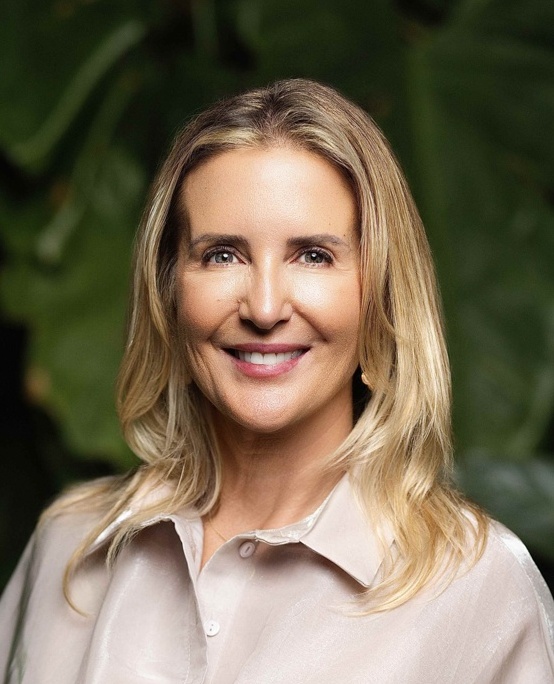 |
Elizabeth Costa, Realtor — FL Lic. #3234205 Top Real Estate Agent in Doral, Florida | The Keyes Company ☎ (786) 949-3971 ✉ elizabethcosta@keyes.com 📅 Schedule a private consultation 15+ years · 300+ closed transactions · Bilingual EN/ES Office: 4191 NW 107th Ave, Doral, FL 33178 Serving Doral, Miami, Coral Gables, and Pinecrest |