Doral & Miami Real Estate Insights

Doral & Miami Real Estate News, Market Trends & Local Expertise

Explore expert insights on the Doral and Miami real estate market, including new construction communities, luxury homes, relocation strategies, investment opportunities, expired listings, and local market trends across South Florida.

This blog was created to help buyers, sellers, investors, and relocating families make informed real estate decisions with practical guidance, local expertise, and real market perspective from one of Miami-Dade County’s top-producing Realtors.

Whether you're searching for the best new construction communities in Doral, evaluating luxury homes in Miami, exploring investment properties, or trying to understand why a listing expired, you'll find strategic, data-driven content designed for today’s evolving real estate market.

New Construction Luxury Real Estate Relocation Expired Listings Investment Properties

Aug. 19, 2026

Urbana Downtown Doral: $1.2M Townhome Tour

By Elizabeth Costa, Top Real Estate Agent in Doral, Florida | The Keyes Company
15+ years of experience · 300+ closed transactions · Bilingual: English & Spanish


What does $1.2 million buy in Urbana at Downtown Doral?
At $1,200,000, this Urbana townhome in Downtown Doral includes a 3-bedroom, 2-full-bath, 2-half-bath, 3-story corner unit with approximately 2,700 total square feet including the garage and terraces. It features a two-car garage, impact windows and doors, a primary suite with a private terrace, and two additional third-floor terraces, located within walking distance of Downtown Doral's restaurants, parks, and clubhouse. It is currently active and available.


What does $1.2 million actually buy in Downtown Doral right now? That is the question I set out to answer with this tour of a 3-bedroom, 3-story corner townhome in the walkable Urbana community.

I'm Elizabeth Costa, a Doral real estate agent with more than 15 years of experience helping buyers navigate Doral real estate and Greater Miami. You can learn more about my background as a Doral & Miami real estate agent here. I filmed the full walkthrough of this townhome so you can decide for yourself whether it is worth the price.

This post covers what stood out in the tour, why the corner unit and three-level layout change the value equation, what Urbana offers as a community, and how to get current pricing and availability if you want to see it in person.


What Does $1.2M Buy in Urbana, Downtown Doral?

At this price point, the home includes a 3-bedroom, 2-full-bath, 2-half-bath townhome spread across three levels, with approximately 2,700 total square feet including the two-car garage and terraces. It is a premium corner unit with impact windows and doors, quartz countertops, stainless steel appliances, ceramic flooring on the main level, and a tankless water heater.


Watch the Full Urbana Townhome Tour

In this video, I walk through the corner-unit exterior, the two-car garage, the main-level kitchen and living area, the primary suite with its private terrace, the third-floor entertainment space, and both third-floor terraces, then answer the question the whole tour is built around: is this Downtown Doral townhome worth $1,200,000?

Video Chapters

  • 0:00 · $1.2M Townhome in Downtown Doral
  • 0:23 · Corner Unit & Neighborhood
  • 0:48 · Parking & Two-Car Garage
  • 1:12 · Walkable Downtown Doral Location
  • 1:40 · Clubhouse & Resort-Style Amenities
  • 2:11 · Impact Windows & Doors
  • 2:38 · First Floor & Kitchen Tour
  • 3:15 · Main Living Area
  • 3:40 · Two-Car Garage
  • 3:59 · First-Floor Half Bathroom
  • 4:25 · Second Floor Tour
  • 4:45 · Secondary Bedroom / Office
  • 5:09 · Primary Bedroom
  • 5:24 · Private Primary Terrace
  • 5:46 · Primary Bathroom
  • 6:39 · Home Size & Layout
  • 7:08 · Upstairs Laundry
  • 7:21 · Third Bedroom
  • 7:52 · Third-Floor Entertainment Area
  • 8:20 · Third-Floor Half Bathroom
  • 8:34 · First Terrace & Community Views
  • 9:22 · Second Terrace
  • 9:27 · Downtown Doral Schools & Lifestyle
  • 9:55 · Final Thoughts & Private Tour

You can also watch the full tour on YouTube and subscribe to my channel for more Doral and Miami property tours. If you are exploring your own options, take a look at my real estate specialties in Doral and Miami.


Continue reading, full tour recap and buyer takeaways below →


Inside the Home: Layout & Features

A few details from the walkthrough are worth calling out for anyone comparing Downtown Doral townhomes at this price point:

  • 3 bedrooms, 2 full bathrooms, and 2 half bathrooms across three levels
  • Approximately 2,700 total square feet, including the garage and terraces
  • A premium corner-unit position, with extra natural light and window exposure
  • Impact windows and doors throughout
  • Quartz countertops, stainless steel appliances, and ceramic flooring on the main level
  • A tankless water heater
  • A spacious primary suite with a private terrace
  • Upstairs laundry, positioned near the bedrooms
  • A third-floor entertainment area with two additional terraces
  • A two-car garage plus two assigned parking spaces

Why the Corner Unit & Three-Level Layout Matter

If you are comparing Downtown Doral townhomes for sale, the corner-unit position and three-story layout are two of the features that set this property apart. A corner unit typically means more window exposure and natural light than an interior unit, plus added privacy from having fewer shared walls. The three-level layout also spreads living space across dedicated zones, main living and kitchen on the first floor, bedrooms on the second, and a private entertainment area with two terraces on the third, so you are not stacking every function into one open floor.


Urbana: Community & Location

Urbana at Downtown Doral is one of the most walkable communities in Doral, built around a clubhouse with a resort-style pool, a two-story fitness center, an indoor basketball court, and walking and running areas. Restaurants, cafes, and parks in Downtown Doral are within walking distance, along with schools nearby as part of the broader neighborhood.

Doral's broader appeal continues to hold here: convenient access to shopping and dining at CityPlace Doral, and the everyday services and infrastructure covered on the official City of Doral website.

If you are weighing a walkable, newer-construction community like Urbana against other options in the area, my full guide to new construction in Doral and Miami breaks down what to expect from builders, pricing, and timelines across the market.


Is This Urbana Townhome Worth $1.2M?

Value at this price point comes down to what you are comparing it against. Relative to other Downtown Doral homes near $1,200,000, this townhome's combination of a premium corner unit, three distinct levels of living space, a private primary terrace, two additional third-floor terraces, and a walkable location steps from the clubhouse and Downtown Doral's restaurants is a meaningfully strong package. Whether it is worth it for you specifically depends on how much you value multiple outdoor spaces and walkability compared to a standard interior unit or a single-family home at a similar price.


Who This Home Is Perfect For

Based on the layout, lot position, and community, this home tends to fit best for:

  • Buyers who want a walkable lifestyle close to Downtown Doral's restaurants, cafes, and parks
  • Buyers who prioritize natural light and privacy, thanks to the corner-unit setting
  • Anyone who wants multiple outdoor spaces, between the primary terrace and the two third-floor terraces
  • Buyers who like separated living zones, with bedrooms and entertainment space on different levels

How to Get Pricing, Photos & Full Details

This home is currently active and available. For current pricing, availability, and additional photos, request details on the official Urbana property page here, or call or text me directly.


Townhome vs. Single-Family Home in Downtown Doral

Option Typical Advantage Tradeoff
Corner townhome, 3 levels (this home) More outdoor space, natural light, and walkability at a lower price point Less total lot space than a single-family home
Interior townhome unit Typically a lower price than a comparable corner unit Less window exposure and fewer private outdoor areas
Single-family home, same budget More total living and yard space Usually farther from Downtown Doral's walkable core

Frequently Asked Questions

What does $1,200,000 buy in Urbana, Downtown Doral?

In Urbana at Downtown Doral, $1,200,000 can buy a 3-bedroom, 2-full-bath, 2-half-bath, 3-story corner townhome with approximately 2,700 total square feet including the garage and terraces, impact windows and doors, and a private primary terrace. Pricing varies by unit position, level, and finishes.

Why does a corner unit matter when buying a townhome in Doral?

A corner unit typically provides more window exposure and natural light than an interior unit, along with more privacy since it borders fewer neighboring units on shared walls.

What amenities does Urbana at Downtown Doral offer?

Urbana is built around a clubhouse with a resort-style pool, a two-story fitness center, an indoor basketball court, and walking and running areas, within walking distance of Downtown Doral's restaurants, cafes, and parks.

How do I get pricing and photos for this home?

You can request current pricing, availability, and additional photos through the official Urbana property page, or call or text Elizabeth Costa directly at (786) 949-3971.


Would You Pay $1.2M for This Townhome in Downtown Doral?

Get current pricing, availability, and additional photos, or reach out directly if you would rather talk through your options first.

Get Pricing & Photos
or Call or Text (786) 949-3971
Elizabeth Costa, Realtor, FL Lic. #3234205
The Keyes Company · 4191 NW 107th Ave, Doral, FL 33178
elizabethcosta@keyes.com
Serving Doral, Miami, Coral Gables, and Pinecrest
Elizabeth Costa, Top Real Estate Agent in Doral and Miami, Florida Elizabeth Costa, Realtor, FL Lic. #3234205
Top Real Estate Agent in Doral, Florida | The Keyes Company
☎ (786) 949-3971
✉ elizabethcosta@keyes.com
📅 Schedule a private consultation
15+ years · 300+ closed transactions · Bilingual EN/ES
Office: 4191 NW 107th Ave, Doral, FL 33178
Serving Doral, Miami, Coral Gables, and Pinecrest


Aug. 18, 2026

Canarias Downtown Doral: $2M Luxury Home Tour

By Elizabeth Costa, Top Real Estate Agent in Doral, Florida | The Keyes Company
15+ years of experience · 300+ closed transactions · Bilingual: English & Spanish


What does $2 million buy in Canarias at Downtown Doral?
At $2,000,000, this Canarias home in Downtown Doral includes a 4-bedroom, 4.5-bathroom single-family layout with nearly 3,000 square feet, built in 2023 and move-in ready. It features a first-floor bedroom and full bathroom, a chef's kitchen with quartz countertops and a gas cooktop, impact windows and doors, a loft, and a two-car garage, located directly across from the Canarias Clubhouse. As the listing agent, Elizabeth Costa confirms it is currently active and available.


Would you pay $2 million for a home in Downtown Doral? That is the exact question I set out to answer with this tour of a 4-bedroom, 4.5-bathroom luxury home in the Canarias community, built in 2023 and sitting directly across from the Canarias Clubhouse.

I'm Elizabeth Costa, a Doral real estate agent with more than 15 years of experience, and I am the listing agent for this specific home. You can learn more about my background as a Doral & Miami real estate agent here. I filmed the full walkthrough myself so you can see exactly what $2,000,000 buys in this community before you decide whether it is worth a private showing.

This post covers what stood out in the tour, why the first-floor bedroom layout is one of the most requested floor plans in Doral, what Canarias offers as a community, and how to get current pricing and availability directly from me as the listing agent.


What Does $2 Million Buy in Canarias, Downtown Doral?

At this price point, the home includes nearly 3,000 square feet of living space across 4 bedrooms and 4.5 bathrooms. Built in 2023 and move-in ready, it features a chef's kitchen with quartz countertops, a gas cooktop, built-in appliances, and a wine cooler, soaring ceilings, impact windows and doors throughout, and a full bedroom and bathroom on the first floor, a layout that is in high demand across Doral.


Watch the Full Canarias Home Tour

In this video, I walk through the Canarias Clubhouse, the exterior, the first-floor bedroom and bathroom, the chef's kitchen, the upstairs loft and primary suite, and the two-car garage and backyard, then answer the question the whole tour is built around: is this Downtown Doral home worth $2,000,000?

Video Chapters

  • 0:00 · Introduction
  • 0:36 · Canarias Clubhouse Tour
  • 1:22 · Exterior Tour
  • 2:30 · Grand Entry
  • 3:00 · First Floor Bedroom & Bathroom
  • 4:05 · Formal Living Room
  • 4:40 · Chef's Kitchen
  • 6:05 · Family Room
  • 7:01 · Upstairs Tour
  • 8:00 · Loft Area
  • 8:45 · Secondary Bedrooms
  • 10:30 · Primary Suite
  • 11:50 · Garage & Backyard
  • 13:20 · Final Thoughts

You can also watch the full tour on YouTube and subscribe to my channel for more Doral and Miami property tours. If you are exploring your own options, take a look at my real estate specialties in Doral and Miami.


Continue reading, full tour recap and buyer takeaways below →


Inside the Home: Layout & Features

A few details from the walkthrough are worth calling out for anyone comparing luxury homes in Downtown Doral at this price point:

  • 4 bedrooms and 4.5 bathrooms across nearly 3,000 square feet
  • Built in 2023 and move-in ready, no renovation needed
  • A first-floor bedroom and full bathroom, one of the most requested floor plans in Doral for guests, in-laws, or a home office
  • A chef's kitchen with quartz countertops, a gas cooktop, built-in appliances, a wine cooler, and a large kitchen island
  • Soaring ceilings and impact windows and doors throughout
  • An upstairs loft, separate from the bedrooms, useful as a second living area or playroom
  • An upstairs laundry room, positioned near the bedrooms
  • A spacious primary suite
  • A two-car garage and a private backyard

Why the First-Floor Bedroom Floor Plan Matters

If you are comparing new construction homes in Doral, a full bedroom and bathroom on the first floor is one of the features buyers ask for most and one of the hardest to find. It works for multigenerational households, overnight guests, or a private home office without requiring anyone to use the stairs. In a community built in 2023 like Canarias, having this layout already built in, rather than added through a renovation, is a meaningful part of the value at this price point.


Canarias: Community & Location

Canarias at Downtown Doral is a newer single-family community built directly across from its own clubhouse, with a resort-style pool and a two-story fitness center. The home is within walking distance of Downtown Doral's restaurants, cafes, and parks, with easy access to major highways and to Miami International Airport, and nearby schools as part of the broader neighborhood.

Doral's broader appeal continues to hold here: convenient access to shopping and dining at CityPlace Doral, and the everyday services and infrastructure covered on the official City of Doral website.

If you are weighing a newer-construction community like Canarias against other options in the area, my full guide to new construction in Doral and Miami breaks down what to expect from builders, pricing, and timelines across the market.


Is This Canarias Home Worth $2 Million?

Value at this price point comes down to what you are comparing it against. Weighed against buying an older resale home in Downtown Doral and renovating it to this standard, or against a comparable pre-construction unit that will not be ready to move into for another year or more, this home's combination of nearly 3,000 square feet, a 2023 build date, a first-floor bedroom suite, and a chef's kitchen already in place is a meaningfully strong package. Whether it is worth it for you specifically depends on how much you value moving in immediately versus waiting for new construction, or renovating an older home to reach the same finish level.

As the listing agent, I can walk you through the actual numbers behind this home, including how it compares to recent Canarias sales, so you can decide for yourself rather than relying on a listing description alone.


Who This Home Is Perfect For

Based on the layout, build date, and community, this home tends to fit best for:

  • Buyers who want move-in ready without waiting on new construction or a renovation timeline
  • Multigenerational households that need a true first-floor bedroom and full bathroom
  • Buyers who cook often and want a chef's kitchen already in place
  • Anyone who wants walkability to Downtown Doral's restaurants, cafes, and parks

How to Get Pricing, Photos & Full Details

This home is currently active and available, and I am the listing agent. For current pricing, availability, and additional photos, request details on the official Canarias property page here, or call or text me directly for the fastest answer.


New Construction vs. Resale in Downtown Doral

Option Typical Advantage Tradeoff
2023-built move-in ready (this home) Modern layout and finishes with no renovation or wait time Priced closer to new construction than an older resale
Pre-construction unit Can offer the newest finishes and builder incentives Move-in typically a year or more away, finishes selected sight-unseen
Older resale, needs updating Usually the lowest purchase price Renovation cost, time, and disruption before move-in

Frequently Asked Questions

What does $2,000,000 buy in Canarias, Downtown Doral?

In the Canarias community at Downtown Doral, $2,000,000 can buy a 4-bedroom, 4.5-bathroom single-family home with nearly 3,000 square feet, built in 2023 and move-in ready, with a first-floor bedroom and bathroom, a chef's kitchen, and impact windows and doors throughout. Pricing varies by lot, finishes, and proximity to the clubhouse.

Why does a first-floor bedroom matter in a Doral home?

A full bedroom and bathroom on the first floor is one of the most requested floor plans in Doral. It works well for multigenerational households, overnight guests, or a private home office, and it is one of the harder layouts to find in newer construction.

What amenities does Canarias at Downtown Doral offer?

Canarias is built around its own clubhouse, with a resort-style pool and a two-story fitness center, and it sits within walking distance of Downtown Doral's restaurants, cafes, and parks.

How do I get pricing and photos for this home?

You can request current pricing, availability, and additional photos through the official Canarias property page, or call or text Elizabeth Costa, the listing agent, directly at (786) 949-3971.


Would You Pay $2 Million for This Downtown Doral Home?

As the listing agent, I can give you the fastest, most accurate answers on pricing and availability, or reach out directly if you would rather talk through your options first.

Get Pricing & Photos
or Call or Text (786) 949-3971
Elizabeth Costa, Realtor, FL Lic. #3234205
The Keyes Company · 4191 NW 107th Ave, Doral, FL 33178
elizabethcosta@keyes.com
Serving Doral, Miami, Coral Gables, and Pinecrest
Elizabeth Costa, Top Real Estate Agent in Doral and Miami, Florida Elizabeth Costa, Realtor, FL Lic. #3234205
Top Real Estate Agent in Doral, Florida | The Keyes Company
☎ (786) 949-3971
✉ elizabethcosta@keyes.com
📅 Schedule a private consultation
15+ years · 300+ closed transactions · Bilingual EN/ES
Office: 4191 NW 107th Ave, Doral, FL 33178
Serving Doral, Miami, Coral Gables, and Pinecrest


Aug. 18, 2026

Doral Grand Bay Home for $950K: Full Property Tour

By Elizabeth Costa, Top Real Estate Agent in Doral, Florida | The Keyes Company
15+ years of experience · 300+ closed transactions · Bilingual: English & Spanish


What does $950,000 buy in Doral's Grand Bay community?
At $950,000, this Grand Bay home in Doral includes a 4-bedroom, 3-bathroom single-family layout with approximately 2,500 square feet, a premium corner lot on nearly 4,900 square feet with lake views, an updated kitchen, a first-floor bedroom and full bathroom, and a two-car garage. It is currently active and available.


What does $950,000 actually buy in Doral right now? That is the exact question I set out to answer with this tour of a 4-bedroom, 3-bathroom single-family home in the sought-after Grand Bay community, sitting on a premium corner lot with lake views.

I'm Elizabeth Costa, a Doral real estate agent with more than 15 years of experience helping buyers navigate Doral real estate and Greater Miami. You can learn more about my background as a Doral & Miami real estate agent here. I filmed the full walkthrough of this home so you can decide for yourself whether it is worth the price.

This post covers what stood out in the tour, why the corner lot changes the value equation, what Grand Bay offers as a community, and how to get current pricing and availability if you want to see it in person.


What Does $950K Buy in Doral?

At this price point, the home includes approximately 2,500 square feet of living space across 4 bedrooms and 3 full bathrooms, on a premium corner lot of nearly 4,900 square feet with lake views. The kitchen has been updated with granite countertops, stainless steel appliances, a wine refrigerator, and double ovens, and there is no carpet anywhere in the home.


Watch the Full Grand Bay Home Tour

In this video, I walk through the corner-lot exterior, the updated kitchen, the first-floor bedroom and bathroom, the primary suite, and the private fenced backyard, and answer the question the whole tour is built around: is this Doral home worth $950,000?

Video Chapters

  • 0:00 · What Does $950K Buy in Doral?
  • 0:17 · Exterior & Corner Lot
  • 0:34 · Home Size, Model & Builder
  • 0:45 · Lake Views, Privacy & Parking
  • 1:38 · Grand Bay Community
  • 2:33 · Step Inside the Home
  • 2:55 · First-Floor Layout
  • 3:17 · Updated Kitchen Tour
  • 4:47 · First-Floor Bedroom & Full Bathroom
  • 5:34 · Two-Car Garage & Storage
  • 6:17 · Is This Doral Home Worth $950K?
  • 6:45 · Primary Bedroom Tour
  • 7:42 · Primary Bathroom & Lake Views
  • 9:00 · Third Bedroom & Corner-Lot Views
  • 9:55 · Upstairs Bathroom
  • 10:53 · Upstairs Laundry Room
  • 11:22 · Fourth Bedroom & Lake View
  • 11:45 · Why the Corner Lot Matters
  • 11:58 · Private Backyard
  • 12:22 · Grand Bay Community Amenities
  • 12:37 · Final Thoughts: Is It Worth $950K?

You can also watch the full tour on YouTube and subscribe to my channel for more Doral and Miami property tours. If you are exploring your own options, take a look at my real estate specialties in Doral and Miami.


Continue reading, full tour recap and buyer takeaways below →


Inside the Home: Layout & Features

A few details from the walkthrough are worth calling out for anyone comparing homes in Doral at this price point:

  • 4 bedrooms and 3 full bathrooms across approximately 2,500 square feet
  • A first-floor bedroom and full bathroom, useful for guests, in-laws, or a home office
  • An updated kitchen with granite countertops, stainless steel appliances, a wine refrigerator, and double ovens
  • A spacious primary suite with two walk-in closets and an updated primary bathroom
  • No carpet anywhere in the home
  • An upstairs laundry room, positioned near the bedrooms
  • A private, fenced backyard
  • A two-car garage plus additional driveway parking

Why the Corner Lot Matters

If you are comparing Doral homes for sale, the corner lot is one of the features that makes this property stand out. A corner lot on nearly 4,900 square feet provides additional outdoor space, more natural light from extra window exposure, added privacy compared to a standard interior lot, and in this case, views toward the lake that a typical interior lot would not have.


Grand Bay: Community & Location

Grand Bay is a gated community in Doral with sidewalks throughout, a community pool, and a fitness center, in addition to the lake views found throughout the neighborhood. Doral's broader appeal continues to hold here: convenient access to shopping and dining at CityPlace Doral, and the everyday services and infrastructure covered on the official City of Doral website.

If you want to compare Grand Bay to other Doral neighborhoods before deciding where to focus your search, my full guide to Doral neighborhoods breaks down how the gated single-family communities differ from the walkable, newer-construction areas.


Is This Doral Home Worth $950K?

Value at this price point comes down to what you are comparing it against. Relative to other Doral single-family homes near $950,000, this property's combination of an updated kitchen, a first-floor bedroom and bathroom, a corner lot with lake views, and gated community amenities like a pool and fitness center is a meaningfully strong package. Whether it is worth it for you specifically depends on how much you value the corner-lot privacy and views compared to a standard interior lot at a similar price.


Who This Home Is Perfect For

Based on the layout, lot, and community, this home tends to fit best for:

  • Families who want a first-floor bedroom option along with a gated community and pool
  • Buyers who prioritize privacy and natural light, thanks to the corner-lot setting
  • Buyers who want an updated kitchen without taking on a renovation
  • Anyone drawn to lake views as part of daily living in Doral

How to Get Pricing, Photos & Full Details

This home is currently active and available. For current pricing, availability, and additional photos, request details on the official Grand Bay property page here, or call or text me directly.


Corner Lot vs. Interior Lot in Doral

Lot Type Typical Advantage Tradeoff
Corner lot (this home) More outdoor space, natural light, and privacy Can carry a premium versus a comparable interior lot
Interior lot, lake view Similar views without the corner-lot premium Typically less outdoor space and side-yard privacy
Interior lot, no water view Usually the lowest price point in the community No lake view or added privacy buffer

Frequently Asked Questions

What does $950,000 buy in Doral, FL?

In Doral's Grand Bay community, $950,000 can buy a 4-bedroom, 3-bathroom single-family home with approximately 2,500 square feet, a premium corner lot with lake views, an updated kitchen, and gated community amenities like a pool and fitness center. Pricing varies by neighborhood, lot type, and condition.

Why does a corner lot matter when buying a home in Doral?

A corner lot typically provides more outdoor space, additional natural light from extra window exposure, and more privacy than a standard interior lot, since it borders fewer neighboring homes. In communities built around lakes, corner lots can also offer better sightlines to the water.

What amenities does Grand Bay in Doral offer?

Grand Bay is a gated community with sidewalks throughout, a community pool, a fitness center, and lake views found throughout the neighborhood.

How do I get pricing and photos for this home?

You can request current pricing, availability, and additional photos through the official Grand Bay property page, or call or text Elizabeth Costa directly at (786) 949-3971.


Would You Pay $950K for This Doral Home?

Get current pricing, availability, and additional photos, or reach out directly if you would rather talk through your options first.

Get Pricing & Photos
or Call or Text (786) 949-3971
Elizabeth Costa, Realtor, FL Lic. #3234205
The Keyes Company · 4191 NW 107th Ave, Doral, FL 33178
elizabethcosta@keyes.com
Serving Doral, Miami, Coral Gables, and Pinecrest
Elizabeth Costa, Top Real Estate Agent in Doral and Miami, Florida Elizabeth Costa, Realtor, FL Lic. #3234205
Top Real Estate Agent in Doral, Florida | The Keyes Company
☎ (786) 949-3971
✉ elizabethcosta@keyes.com
📅 Schedule a private consultation
15+ years · 300+ closed transactions · Bilingual EN/ES
Office: 4191 NW 107th Ave, Doral, FL 33178
Serving Doral, Miami, Coral Gables, and Pinecrest


Aug. 17, 2026

Complete Guide to Selling Your Doral or Miami Home 2026

By Elizabeth Costa - Top Real Estate Agent in Doral, Florida | The Keyes Company
15+ years of experience · 300+ closed transactions · Bilingual: English & Spanish
Exclusive Member of Forbes Global Properties · Founding Member of Luxury Portfolio International


How do I sell my home in Doral or Miami in 2026?
Selling a Doral or Miami home in 2026 follows a seven-phase framework: (1) DECIDE when to sell based on market signals, personal timing, and tax considerations; (2) PREPARE the home to global presentation standards typically over 4-5 weeks with total budget $6,800-$26,500 for luxury inventory; (3) PRICE using a comprehensive CMA that reflects sub-market dynamics, not Zestimate estimates (which Zillow itself recommends against for pricing); (4) LIST with an agent selected through 12 diagnostic questions covering local sub-market experience, brokerage network membership (Forbes Global Properties, Luxury Portfolio International), marketing plan, pricing methodology, communication cadence, buyer reach, language capability, contingency management, and commission transparency; (5) MARKET to reach the international and cash buyer pools that drive Miami luxury (Q2 2026 Miami-Dade MLS shows cash at 46-67 percent across Coral Gables corridor and 12-16 percent in Doral); (6) NEGOTIATE cash offer dynamics, contingency management, and multiple-offer scenarios; (7) CLOSE with clear understanding of the 8 seller closing cost categories (typically 6-8 percent of sale price) and net proceeds framework (typically 92-94 percent of sale price). Each phase has a dedicated deep-dive guide linked below.


Selling a home in Doral or Miami is likely the single largest financial transaction of your life. Getting it right requires a coordinated framework across seven distinct phases, each with its own decisions, professional team members, and success criteria. This guide is the complete framework, with links to eight detailed deep-dive guides that unpack each phase substantively.

I am Elizabeth Costa, a Realtor with The Keyes Company. I have spent 15+ years helping Doral and Miami homeowners navigate this framework through more than 300 closed transactions. This guide reflects the current Miami-Dade market as of 2026, post-NAR settlement commission changes, and current tax and closing conventions.


The Seven-Phase Framework for Selling in Doral or Miami

Every successful Miami-Dade home sale flows through seven phases. Sellers who understand the framework upfront make better decisions at each stage than sellers who react tactically to each phase in isolation.

Phase Focus Typical Duration Team Members
1. DECIDE Timing and strategy 1-4 weeks You + CPA
2. PREPARE Home presentation 4-5 weeks Realtor + vendors
3. PRICE CMA-based strategy 1 week Realtor
4. LIST Agent selection 1-2 weeks (interview period) You + 2-3 Realtor candidates
5. MARKET Buyer pool reach 30-60 days initial Realtor + brokerage networks
6. NEGOTIATE Offer cycle 1-3 weeks Realtor + attorney
7. CLOSE Financial outcome 15-60 days from contract Realtor + title co + attorney + CPA

Total typical timeline from decision to closing: 4-6 months for a well-executed transaction. Some phases overlap (preparing while you interview agents, marketing while you finalize pricing strategy), but the discrete decisions in each phase warrant dedicated attention.


Phase 1: DECIDE (Timing and Strategy)

The core decision: Is now the right time to sell, and what strategic considerations should shape the timing?

Market signals

Miami-Dade market conditions vary meaningfully by sub-market and price band. Reading current signals for your specific sub-market is more useful than reading citywide averages. Key signals to evaluate: months of inventory (under 3 = seller's market, 3-6 = balanced, over 6 = buyer's), median days on market, sale-to-list ratio, and cash share dynamics.

For the full framework on market signal reading, see When to Sell in Doral & Miami: Reading Market Signals for Timing.

Personal timing factors

Beyond market conditions, personal factors matter: your next-home purchase timeline, employment or family transitions, tax year considerations (calendar year timing affects when tax event triggers), and any homestead portability window (three-year rule for Florida homestead re-establishment).

Tax planning starts here

Phase 1 is when CPA involvement should begin, not later. Federal capital gains treatment (Section 121 $250K/$500K exclusion), Florida homestead portability, potential 1031 exchange for investment property, and FIRPTA for foreign sellers all have decisions that need to be made before you list, not after you contract.

See Tax Implications of Selling Your Doral or Miami Home for the complete tax framework.

Decision Phase 1 outputs

  • Confirmed decision to sell (yes/no/wait)
  • Target sale timeframe (list date and closing date estimates)
  • Tax strategy alignment with CPA
  • Next-home purchase coordination (if applicable)
  • Homestead portability plan (if applicable)

Phase 2: PREPARE (Home Presentation)

The core decision: How to prepare your home to compete in the current Miami luxury standard, on a timeline that matches your sale target.

The five preparation pillars

1. Professional staging. Full, occupied, or virtual. NAR's Profile of Home Staging shows staged homes tend to sell faster and often at higher prices than comparable non-staged inventory.

2. Professional photography. HDR interior, twilight exterior, drone aerial. Not the category to save money on. NAR research shows 95+ percent of buyers use the internet in their home search.

3. Video and 3D tour. Matterport walkthrough plus optional agent-led video. Baseline expected in luxury as of 2026. International buyers preview extensively online (often 6-12 months) before physical visits.

4. Curb appeal and exterior. Landscaping, pressure washing, paint touch-ups, front door, pool deck.

5. Interior detail work. Aggressive declutter, targeted paint refresh, minor repairs, deep clean.

Budget and timing

For $1M-$5M Miami luxury inventory, total preparation budget typically runs $6,800-$26,500 over 4-5 weeks from decision to MLS-live. Ultra-luxury ($5M+) scales up with staging alone potentially $10,000-$30,000+ monthly.

For the complete preparation framework, see Preparing Your Doral or Miami Home for Luxury Listing.

Phase 2 outputs

  • Home ready to photograph and show
  • Professional photography, video, drone, 3D tour completed
  • Marketing collateral produced
  • Vendor coordination completed

Phase 3: PRICE (CMA-Based Strategy)

The core decision: What price will attract the right buyer pool while maximizing net proceeds, based on same-subdivision comparable market analysis (CMA) rather than automated estimates.

CMA vs Zestimate

Zillow itself recommends CMAs over Zestimate estimates for pricing decisions. Per Zillow's own current documentation, the Zestimate median error rate for off-market homes is 7.20 percent as of the most recent Zillow-published data, and Zillow directs users to consult a real estate professional for pricing purposes. A CMA analyzes recent closed comparables (last 90 days), current active competition, pending sales trends, and property-specific adjustments.

Miami-Dade sub-market context

Q2 2026 Miami-Dade MLS data shows different sub-markets behave very differently. In the Coral Gables corridor, cash accounted for 46-67 percent of transactions with sale-to-list ratios of 94-98 percent. In Doral, cash accounted for 12-16 percent with sale-to-list ratios of 96-97 percent. Pricing strategy that ignores sub-market dynamics leaves money on the table.

For the complete pricing framework and CMA methodology, see Pricing Your Doral or Miami Home: CMA vs Zillow Zestimate.

Phase 3 outputs

  • Comprehensive CMA reviewed and understood
  • Listing price agreed with your Realtor
  • Pricing strategy documented (aggressive/at-market/patient)
  • Days-on-market expectations calibrated

Phase 4: LIST (Choosing Your Agent)

The core decision: Which listing agent will actually deliver the best outcome for your specific property, based on twelve diagnostic questions rather than marketing pitches.

The 12 questions

Twelve diagnostic questions surface real differences between agents before you sign:

  1. Local sub-market experience (years + specific closings last 12 months)
  2. Track record (average DOM + sale-to-list for comparable properties)
  3. Brokerage network membership (Forbes GP, LPI, Sotheby's, Christie's)
  4. Written marketing plan (included vs add-on itemization)
  5. Pricing methodology (CMA vs Zestimate)
  6. Photography and presentation standards (specific vendors + samples)
  7. Communication cadence (frequency, channels, response time)
  8. Actual buyer pool reach (own-buyer vs cooperating-broker vs network-referral)
  9. Language capability (English + Spanish minimum for Miami)
  10. Contingency management (recent problem transaction example)
  11. Commission transparency (structure + what included + hidden fees)
  12. Listing agreement terms (length + termination provisions)

Agents who welcome these questions typically deliver stronger outcomes than agents who deflect them.

For the complete 12-question framework with strong-answer examples and red flags, see Choosing a Listing Agent in Doral or Miami: 12 Questions to Ask Before You Sign.

Phase 4 outputs

  • 2-3 listing agents interviewed using the 12 questions
  • Listing agent selected
  • Listing agreement signed with clear terms
  • Commission structure documented

Phase 5: MARKET (Reaching the Right Buyers)

The core decision: How to reach the actual buyer pool for your property, which in Miami often means international and cash buyers accessed through specific network infrastructure, not just MLS syndication.

The Miami buyer pool reality

Miami luxury is disproportionately international and cash. Per NAR data, Florida is consistently the top destination state for international residential purchases, with Miami-Dade representing a large share. Per Q2 2026 Miami-Dade MLS, cash accounted for 55 percent of Coral Gables area transactions and 12-16 percent of Doral. Reaching this pool requires more than MLS.

For the complete framework on international and cash buyer dynamics, see Selling Your Miami Home to International or Cash Buyers.

Global network reach as differentiator

Two of the most authoritative luxury real estate networks in the US are Forbes Global Properties (invitation-only, 140M audience across 69+ countries) and Luxury Portfolio International (founding-member cooperative, $1M+ properties in 800+ cities across 70+ countries). The Keyes Company holds documented membership in both: Exclusive Member of Forbes Global Properties and Founding Member of Luxury Portfolio International. Miami sellers listing with Keyes access both networks by default.

For deeper coverage of what these networks actually deliver, see Global Network Reach for Selling Doral & Miami Luxury: What Forbes Global Properties & Luxury Portfolio Deliver.

Discreet marketing options

For sellers requiring privacy, Forbes Private Office and equivalent discreet-channel options allow marketing to qualified buyers through controlled distribution without full public listing. Appropriate for public-facing individuals, high-profile professionals, security-sensitive circumstances, or sellers testing specific price points without accumulating public days on market.

Phase 5 outputs

  • Property live on MLS with full syndication
  • Distribution through brokerage's luxury networks (Forbes GP, LPI)
  • Marketing content executed per plan
  • Showings and buyer inquiries actively managed

Phase 6: NEGOTIATE (Managing the Offer Cycle)

The core decision: How to structure counter-offers, manage contingencies, and select the strongest available offer for your specific priorities.

Cash offer dynamics

Cash offers close faster (15-30 days versus 45-60 for financed), have fewer contingencies (no financing, often no appraisal), and remove some transaction risk. But cash buyers are typically less price-flexible in negotiation, though more term-flexible on closing timeline and inspection resolutions. Understanding this helps you structure counter-offers effectively.

Contingency management

Three most common transaction stress points: inspection findings, appraisal shortfalls, and financing delays. An experienced listing agent walks you through each contingency window strategically, negotiates repair credits and pricing adjustments constructively, and manages timeline pressure to preserve deal momentum. This is where experience beats inexperience most visibly.

Multiple offer strategy

When multiple offers arrive, the highest price is not always the best offer. Cash without contingencies at a slightly lower price often net-proceeds better than financed with contingencies at a slightly higher price. Evaluate: price, financing type, contingency structure, closing timeline, escrow deposit, and buyer proof of funds/underwriting strength.

Phase 6 outputs

  • Executed sale contract with agreed terms
  • Contingency timeline documented
  • Escrow deposit received
  • Title, inspection, and financing (if applicable) timeline set

Phase 7: CLOSE (Financial Outcome)

The core decision: Understanding what actually happens between contract execution and closing, and what you actually receive at closing.

The eight closing cost categories

Miami-Dade sellers typically pay eight cost categories at closing:

  1. Real estate commissions (2.5-3% listing + negotiated buyer-side, typically 5-6% combined)
  2. Florida documentary stamp tax ($0.70 per $100 of sale price)
  3. Owner's title insurance (Florida promulgated rates, seller pays in Miami-Dade convention)
  4. Title company / settlement fees ($500-$1,500)
  5. Attorney fees (optional but recommended for $1M+, $750-$2,500)
  6. Pro-rated property tax (days-based)
  7. HOA / condo estoppel fees ($150-$500 per association + any unpaid dues + potential transfer fees)
  8. Recording and miscellaneous fees ($100-$300)

Net proceeds framework

Total seller closing costs typically run 6-8 percent of sale price. Net proceeds typically equal 92-94 percent of sale price for standard transactions, before any existing mortgage payoff. Request preliminary net proceeds estimate from your listing agent before signing so you can plan financially for what actually wires to your bank account.

For the complete closing cost breakdown with sample calculations at $500K, $1M, $2.5M, and $5M sale prices, see Seller Net Proceeds Breakdown for Doral & Miami Home Sales.

Tax outcomes at closing

Federal capital gains reporting, Florida homestead portability filing, 1031 exchange coordination (if applicable), and FIRPTA reporting (if foreign seller) all happen at or after closing. Your CPA and title company coordinate the mechanical elements; your responsibility is having decided the strategy in Phase 1.

Phase 7 outputs

  • Executed closing with title transfer to buyer
  • Net proceeds wired to your account
  • Closing settlement statement received
  • Tax reporting coordinated with CPA
  • Homestead abandonment recorded (if applicable) for portability tracking

The Complete Timeline: From Decision to Closing

Week Primary Activity Phase
Week 1 Decision, CPA consult, market signals review Phase 1
Weeks 2-3 Agent interviews, listing agreement Phase 4
Weeks 2-6 Home preparation, staging, vendor work Phase 2
Week 6 Photography, video, 3D tour, CMA finalized Phase 2-3
Week 7 MLS launch, marketing distribution begins Phase 5
Weeks 7-12 Active marketing, showings, offer collection Phase 5-6
Weeks 10-14 Offer negotiation, contract execution Phase 6
Weeks 12-20 Contingency period (inspection, appraisal, financing) Phase 6-7
Weeks 18-24 Closing preparation, walkthrough, close Phase 7

Cash offers compress the back half of the timeline. Financed offers extend it. International buyer transactions with legal-entity structures extend further. Timeline planning depends on buyer type as much as anything else.


Deep-Dive Supporting Guides (All Eight)

Each phase of the framework has a dedicated deep-dive guide with specific data, examples, and actionable frameworks:


Why the Miami Market Requires a Specialized Approach

The framework above applies to any home sale in principle, but the Miami-Dade market has specific characteristics that make specialized execution meaningfully different from generic advice:

International buyer share. Florida is consistently the top US destination state for international residential purchases per NAR. Miami-Dade represents a large share of Florida's international volume. Reaching international buyers requires specific network infrastructure (Forbes Global Properties, Luxury Portfolio International) and language capability (English, Spanish, Portuguese) that generic listing approaches miss.

Cash-heavy buyer pool at luxury tiers. Q2 2026 Miami-Dade MLS data shows cash at 46-67 percent across the Coral Gables corridor for single-family transactions. Cash buyers behave differently on price flexibility, contingencies, and closing timeline than financed buyers. Miami luxury pricing and negotiation strategy needs to account for cash-buyer dynamics specifically.

Sub-market variation within cities. Doral is not one market. Coral Gables is not one market. Sub-market analysis (Doral Core vs Doral Isles vs Miami Springs; Coral Gables Core vs Riviera vs Pinecrest vs Coconut Grove) surfaces pricing and marketing decisions that citywide averages obscure. Sellers who understand their specific sub-market outperform sellers who use citywide framing.

Luxury tier concentration. Miami has more $5M+ single-family inventory than most US markets. Ultra-luxury tier operates on different rules (longer marketing periods, higher cash share, network-referral driven, discreet-option availability) than standard-luxury tier. Sellers at $5M+ need agents with specific ultra-luxury framework, not just general luxury experience.

Fair Housing and compliance environment. Miami-Dade real estate marketing must comply with Fair Housing Act at every touchpoint. Marketing that references school quality, demographics, or protected class characteristics creates legal exposure. Professional agents structure marketing to attract buyers without steering language.

Post-NAR settlement commission environment. Miami-Dade practice has adapted to buyer-side commission negotiation being separate from listing-side. Sellers should understand the current market convention (typical 2-3 percent buyer-side compensation offered by sellers to remain competitive, though not required) before signing listing agreements.


Frequently Asked Questions

How long does it take to sell a home in Doral or Miami in 2026?

Typical timeline from decision to closing is 4-6 months for a well-executed transaction. Phase 1-4 (decide, prepare, price, list) typically takes 6-8 weeks. Phase 5 (active marketing) typically 30-60 days to accepted offer. Phase 6-7 (negotiate, close) typically 30-60 additional days depending on cash vs financed. Cash transactions compress the back half; international buyer transactions with legal-entity structures extend it.

What are the biggest mistakes Miami sellers make?

Five most common: (1) starting without CPA involvement (missing tax-optimization opportunities), (2) preparation shortcuts (poor photography especially), (3) pricing to Zestimate estimates rather than CMA, (4) hiring a listing agent without diagnostic questions, and (5) underestimating the cash-buyer share of Miami luxury and misreading offer strength. All five are preventable with the framework above.

How much are closing costs when selling in Miami?

Total seller closing costs typically run 6-8 percent of sale price for Miami-Dade standard transactions. Net proceeds typically equal 92-94 percent of sale price before existing mortgage payoff. Eight cost categories: commissions, documentary stamp tax, owner's title insurance, title company fees, attorney fees, property tax proration, HOA estoppel, and recording. See the full breakdown with sample calculations in the Seller Net Proceeds Breakdown guide.

What is the current Miami market like for sellers in 2026?

Miami-Dade market conditions vary by sub-market. Coral Gables area is broadly a Strong Seller's market (aggregate 2.0 months of inventory as of Q2 2026). Doral has more mixed conditions with Doral Core at 4.4 MOI (balanced) and Miami Springs at 1.6 MOI (strong seller). Coconut Grove ultra-luxury tier is very active (33133 aggregate July 2026 median $3.3M with two trophy closings above $10M). Sub-market analysis is essential.

Do I need a bilingual real estate agent to sell in Miami?

Not strictly required but strongly recommended. Miami luxury's practical languages are English, Spanish, and Portuguese, with French and Italian valuable in specific segments. Bilingual capability at the agent level reduces transaction friction, builds trust faster with international buyer counsel, and coordinates smoothly with foreign attorneys and CPAs. English + Spanish is the practical minimum for Miami luxury.

Should I sell to an all-cash buyer if I have the choice?

Depends on offer specifics. Cash offers typically close faster and have fewer contingencies, but cash buyers are less price-flexible in negotiation. Compare full offer packages: price, financing type, contingency structure, closing timeline, escrow deposit, proof of funds strength. Sometimes cash at slightly lower price net-proceeds better than financed at slightly higher price with contingency risk. Your listing agent should walk through comparative offer analysis with you.

What is Forbes Global Properties and why does it matter for Miami sellers?

Forbes Global Properties is an invitation-only association of distinguished luxury brokerages worldwide. It cannot be purchased into. Membership is reserved for the most distinguished brokerages. The Forbes brand reaches 140M global audience across 69+ countries with 53M+ social footprint and 5M+ magazine readership. The Keyes Company is an Exclusive Member. Sellers listing through Keyes access Forbes-branded marketing, Forbes.com property presence, PR campaigns, and Private Office discreet listing option.

What is Luxury Portfolio International and why does it matter?

Luxury Portfolio International is the luxury division of Leading Real Estate Companies of the World. It connects $1M+ properties to a network of top-tier luxury real estate professionals in 70+ countries and 800+ major cities. The Keyes Company is a Founding Member. Keyes membership provides exposure on luxuryportfolio.com, access to the network's affluent buyer base (average viewer $10.3M+ liquid assets), and referral relationships facilitating thousands of client introductions annually.

How do I calculate my capital gains tax on the sale?

For primary residences, IRS Section 121 excludes $250,000 (single filer) or $500,000 (married filing jointly) of gain from federal income tax if you meet ownership and use tests (two of last five years). Gain above the exclusion is taxed at federal long-term capital gains rates (0, 15, or 20 percent) if held over one year. Florida has no state income tax on capital gains. Additional 3.8 percent net investment income tax may apply. See the Tax Implications guide and consult your CPA.

Can I sell my Miami home while I am out of state or out of country?

Yes. Remote sellers can complete transactions from anywhere via power of attorney or coordinated remote signings at US embassies/consulates (for out-of-country) or with mobile notaries (for out-of-state). Your listing agent, title company, and attorney coordinate the mechanical elements. Bilingual capability at the agent level meaningfully reduces friction for out-of-country sellers. Timeline adds 1-2 weeks for coordination.

What if my home does not sell in the initial listing period?

Options include price adjustment (most common), refreshing marketing and photography, temporarily withdrawing and re-listing later, or transitioning to a discreet marketing channel (Forbes Private Office or equivalent). Diagnose why the initial period did not produce acceptable offers before making the next move: pricing too aggressive, marketing weak, preparation insufficient, or specific market condition. Your listing agent should walk through the diagnostic with you.

Where do I start if I am considering selling my Doral or Miami home?

Three initial steps: (1) Read the eight deep-dive guides above to understand the framework specific to your situation. (2) Request a preliminary CMA and net proceeds estimate for your specific address from a listing agent (I offer this free at elizabethcostare.com/cma/property-valuation). (3) Schedule an initial consultation with your CPA to align tax strategy with sale timing. These three steps typically take 2-3 weeks and provide the foundation for informed decision-making before you commit to listing.


Ready to Start the Seven-Phase Framework for Your Doral or Miami Home?

I coordinate the complete framework from initial CMA and net proceeds estimate through closing, working with your CPA and attorney at every stage. Start with a free property valuation for your specific address.

Call or Text (786) 949-3971
Elizabeth Costa, Realtor — FL Lic. #3234205
The Keyes Company · Exclusive Member of Forbes Global Properties · Founding Member of Luxury Portfolio International
15+ years · 300+ closed transactions · Bilingual EN/ES
4191 NW 107th Ave, Doral, FL 33178
elizabethcosta@keyes.com · Schedule a Consultation · Free Property Valuation
Serving Doral, Miami, Coral Gables, Coconut Grove, and Pinecrest
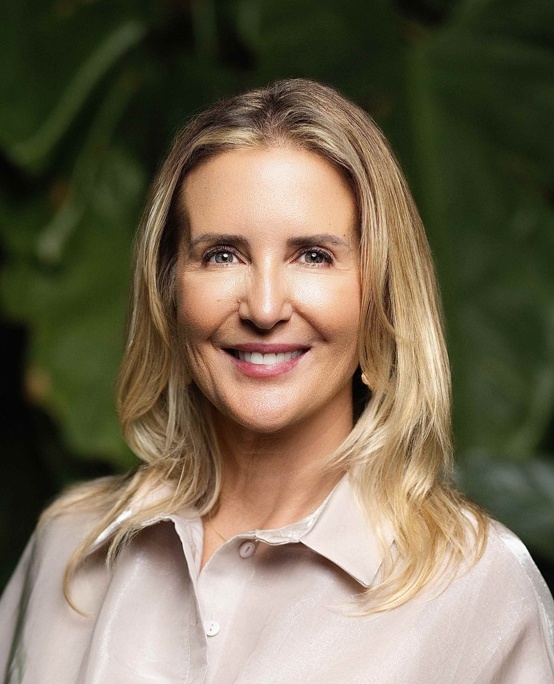
Elizabeth Costa, Top Real Estate Agent in Doral and Miami, Florida Elizabeth Costa, Realtor — FL Lic. #3234205
Top Real Estate Agent in Doral, Florida | The Keyes Company
☎ (786) 949-3971
✉ elizabethcosta@keyes.com
📅 Schedule a private consultation
15+ years · 300+ closed transactions · Bilingual EN/ES
Office: 4191 NW 107th Ave, Doral, FL 33178
Serving Doral, Miami, Coral Gables, Coconut Grove, and Pinecrest
The Keyes Company: Exclusive Member of Forbes Global Properties · Founding Member of Luxury Portfolio International

Aug. 14, 2026

How Much Will I Net Selling My Doral Home? (2026 Net Sheet)

By Elizabeth Costa | Top Real Estate Agent in Doral & Miami | The Keyes Company
15+ years of experience · 300+ closed transactions · Bilingual: English & Spanish
Exclusive Member of Forbes Global Properties · Founding Member of Luxury Portfolio International
★ 5.0 · 83 Google reviews

Originally published August 14, 2026 · Last updated: November 2, 2026, with Miami-Dade MLS data through September 24, 2026


How much will I net selling my Doral home?
Start with the sale price and subtract your mortgage payoff, the commission you negotiate, Miami-Dade deed doc stamps of $0.60 per $100, a property tax credit to the buyer, and your title search, lien search, and estoppel costs. At Doral's median single-family price of $1,055,000, doc stamps are $6,330 and a typical October tax credit is about $10,146.

Who Pays What When You Sell in Miami-Dade?

Most Doral sales use the Florida Realtors and Florida Bar (FR/BAR) contract, which has a Miami-Dade and Broward option for title costs. Here is who pays each item:

Cost Who pays under the FR/BAR contract (Miami-Dade option) Amount
Documentary stamp tax and surtax on the deed Seller $0.60 per $100 for a single-family home or condo; $1.05 per $100 for other property
Owner's title insurance policy Buyer (Miami-Dade and Broward regional option) State-promulgated rate
Title search or continuation Seller Actual cost, capped at $200 if the contract leaves it blank
Tax search and municipal lien search Seller Ask your closing agent
HOA or condo estoppel certificate Seller DBPR cap of $299 to prepare, plus $119 if expedited
Recording the deed Buyer Clerk's fee schedule
Seller's attorney and closing services Seller Quote from your attorney or closing agent
Property taxes, HOA dues, CDD Prorated through the day before closing Based on the current or prior-year bill
Commission As negotiated in your listing agreement and the offer Negotiable
FIRPTA withholding (foreign sellers) Withheld from the seller's proceeds Generally 15% of the price, with exceptions

Sources: FR/BAR Residential Contract (Paragraph 9 and Standard K), Florida Department of Revenue, Florida DBPR, and the IRS. Every item can be negotiated in the contract.

What Does a Net Sheet Look Like at Doral Prices?

Here is a simplified net sheet at the median Doral sale prices, before your mortgage payoff, commission, and closing service fees:

Example at Doral median prices Condo Townhouse Single-family
Sale price (median, June to September 2026) $377,500 $657,500 $1,055,000
Deed doc stamps ($0.60 per $100) -$2,265 -$3,945 -$6,330
Property tax credit to buyer, October 31 closing -$3,902 -$6,899 -$10,146
Estoppel certificate (cap) -$299 -$299 -$299
Title search (default cap) -$200 -$200 -$200
Subtotal before payoff, commission, and other fees $370,834 $646,157 $1,038,025

Medians from 188 Doral closings in the Miami-Dade MLS, June 26 to September 24, 2026. Tax credit: median prior-year tax bill, less the 4% maximum discount, times 303 of 365 days. Confirm the doc stamp rate for a townhouse with your closing agent. Your figures will differ.

Elizabeth's Take

A net sheet is the most honest page in a listing appointment. It shows the number that actually reaches your account, before anyone falls in love with a list price. I build one with every seller before we talk about price, so the conversation starts with reality, not hope.


8 Lines on a Doral Seller Net Sheet

Listed in the order they usually appear on a closing statement, largest first.

  1. Your mortgage payoff. Principal plus interest to the payoff date, from your lender's payoff letter. Request it early.
  2. The commission you negotiate. Set in your listing agreement and the offer. Since 2024, buyers sign their own written agreement with their agent; see my buyer agent agreement guide.
  3. Deed doc stamps. $0.60 per $100 in Miami-Dade for a single-family home or condo, per the Florida Department of Revenue.
  4. Property tax credit. Taxes are prorated through the day before closing, with allowance for the maximum discount and exemptions, under Standard K of the FR/BAR contract. The Miami-Dade Tax Collector bills in late fall.
  5. Association costs. The estoppel certificate, any unpaid dues or assessments, and any transfer or capital contribution fees in your association documents. DBPR caps the estoppel fee; see the fee schedule.
  6. Title and lien searches. Under the Miami-Dade option of the FR/BAR contract, the seller pays the title search, tax search, and municipal lien search, and the buyer pays the owner's policy.
  7. Your own closing services. Your attorney, if you hire one, and your share of closing services.
  8. Concessions and repairs. Any credits you agree to after the inspection.

For a plain-English list of every seller cost, see How Much Does It Cost to Sell a Home in Doral?


How to Estimate Your Net Proceeds: Step by Step

  1. Get a pricing analysis. Request a valuation based on recent sales in your community.
  2. Request a payoff estimate. Ask your mortgage servicer for a payoff letter.
  3. Multiply the price by 0.006. That is your Miami-Dade deed doc stamps for a single-family home or condo.
  4. Estimate your tax credit. Your last tax bill, less the 4% discount, times the days you own the home this year, divided by 365.
  5. Ask your association. Request the estoppel fee and any transfer or capital contribution fees.
  6. Add commission and concessions. Use the terms you negotiate.
  7. Subtract everything from the price. That is your estimated net. Confirm it with your closing agent before closing.

Next, see the timeline in What Happens After I Accept an Offer in Florida?, and tax questions in Tax Implications of Selling Your Doral or Miami Home.


Frequently Asked Questions

How do I calculate my net proceeds when selling in Doral?

Take the sale price and subtract your mortgage payoff, the commission you negotiate, Miami-Dade deed doc stamps ($0.60 per $100 for a single-family home or condo), the property tax credit to the buyer, and your title search, lien search, estoppel, and closing service costs.

How much are doc stamps on a house sale in Miami-Dade?

$0.60 per $100 of the price for a single-family residence, including condo units, and $1.05 per $100 for other property, per the Florida Department of Revenue. The rest of Florida pays $0.70 per $100.

Who pays for owner's title insurance in Miami-Dade?

Under the Miami-Dade and Broward regional option of the FR/BAR contract, the buyer designates the closing agent and pays for the owner's policy. The seller pays the title search, tax search, and municipal lien search.

How are property taxes prorated when I sell in Florida?

Under the FR/BAR contract, taxes are prorated through the day before closing, based on the current year's tax if available, with allowance for the maximum discount and exemptions. Florida taxes are billed in late fall, so a seller closing before paying usually credits the buyer.

How much is an HOA estoppel certificate in Florida?

Florida DBPR lists a cap of $299 to prepare an estoppel certificate, plus $119 for expedited delivery and up to $179 more if the account is delinquent. The FR/BAR contract assigns the estoppel fee to the seller.

Who pays to record the deed in Florida?

Under the FR/BAR contract, the buyer pays the recording fees for the deed. The seller pays recording fees only for documents needed to cure title.


Want Your Own Net Sheet Before You List?

I will price your home with sales from your community and walk you through an estimated net, line by line. Bilingual EN/ES service.

Call or Text (786) 949-3971
Elizabeth Costa, Realtor | FL Lic. #3234205
The Keyes Company · Exclusive Member of Forbes Global Properties · Founding Member of Luxury Portfolio International
15+ years · 300+ closed transactions · Bilingual EN/ES
elizabethcosta@keyes.com · Schedule a Consultation · Free Home Valuation
Serving Doral, Miami, Coral Gables, Weston, Pinecrest, and surrounding South Florida communities
Elizabeth Costa, Top Real Estate Agent in Doral and Miami, Florida Elizabeth Costa, Realtor | FL Lic. #3234205
★ 5.0 · 83 Google reviews
Top Real Estate Agent in Doral, Florida | The Keyes Company
☎ (786) 949-3971
✉ elizabethcosta@keyes.com
📅 Schedule a private consultation
15+ years · 300+ closed transactions · Bilingual EN/ES
Office: 4191 NW 107th Ave, Doral, FL 33178
Serving Doral, Miami, Coral Gables, Weston, Pinecrest, and surrounding South Florida communities
The Keyes Company: Exclusive Member of Forbes Global Properties · Founding Member of Luxury Portfolio International

This article is general real estate information, not legal, tax, or lending advice. Rates and fee caps come from official sources as of November 2026 and can change. Your closing agent's settlement statement controls.

Aug. 12, 2026

Choosing a Listing Agent in Doral or Miami: 12 Questions to Ask Before You Sign

By Elizabeth Costa - Top Real Estate Agent in Doral, Florida | The Keyes Company
15+ years of experience · 300+ closed transactions · Bilingual: English & Spanish
Exclusive Member of Forbes Global Properties · Founding Member of Luxury Portfolio International


What are the most important questions to ask a listing agent before signing in Doral or Miami?
Twelve diagnostic questions separate qualified listing agents from marketing pitches: local sub-market experience in transactions closed within the last 12 months, average days-on-market and sale-to-list ratio for comparable properties, brokerage network membership (Forbes Global Properties, Luxury Portfolio International, or equivalent), specific written marketing plan with distinction between included and add-on services, pricing methodology using comprehensive CMA rather than Zestimate estimates, professional photography and video standards, communication cadence and response time commitments, actual buyer pool reach with breakdown of own-buyer versus cooperating-broker share, bilingual or multilingual capability at agent and team level, contingency management approach with recent problem-transaction examples, transparent commission structure with itemization of what is included versus add-on, and listing agreement length with termination provisions. Sellers who ask these questions before signing avoid the costly mismatch of hiring an agent whose actual capability does not match their marketing pitch.


Selling a Doral or Miami home is likely the largest financial transaction of your life. The listing agent you hire determines how well that transaction actually performs, and the difference between the right agent and the wrong one can be measured in tens of thousands of dollars, weeks of unnecessary market time, and levels of stress you never signed up for.

Most seller-agent mismatches happen because sellers do not ask the right questions before signing the listing agreement. Marketing pitches sound similar. Agent websites look similar. Instagram feeds look similar. But operational capability, actual network reach, and negotiation skill vary enormously across agents. This guide provides the twelve diagnostic questions that surface real differences before you commit.

I am Elizabeth Costa, a Realtor with The Keyes Company. This guide is written from the seller's perspective, meant to help you evaluate any listing agent (including me) with clarity. If an agent cannot answer these questions substantively, that is meaningful information.


Why the Wrong Listing Agent Costs Sellers Money

Three costs are the most common outcomes of hiring the wrong listing agent in the Doral or Miami market:

1. Incorrect pricing that costs weeks on market. An agent who prices to win the listing rather than to attract the market leaves properties sitting. The first twenty-one days on market attract the largest, most qualified buyer pool. Homes that miss that window because of incorrect initial pricing typically sell for two to five percent below what correct pricing would have achieved.

2. Weak marketing distribution that misses the actual buyer pool. In Miami, especially at luxury tiers, buyers are not primarily on Zillow. They are in curated luxury networks (Forbes Global Properties, Luxury Portfolio International, Sotheby's, Christie's), in international broker referral flows, and in private-client channels. An agent whose brokerage does not have documented access to these channels reaches a smaller pool.

3. Poor negotiation and transaction management that costs at closing. An agent who cannot manage inspection contingencies, appraisal issues, or financing contingencies effectively loses money for sellers at every negotiation touchpoint through the deal. This is where experienced agents deliver value that new agents cannot replicate.

All three of these failures are preventable if you ask the right questions before you sign. Here are the twelve questions.


Question 1: Local Sub-Market Experience

Ask: How many years have you been active in this specific market, and how many transactions have you closed in my sub-market in the last twelve months?

Why it matters: A national franchise brand does not equal local market knowledge. Miami-Dade sub-markets behave differently: Doral has different buyer profiles than Coral Gables, and Coral Gables Riviera behaves differently than Coral Gables Core. Sub-market experience means the agent knows the specific comps, subdivisions, HOA dynamics, and buyer preferences that price and market your specific property correctly.

Strong answer looks like: A specific number of years (five plus is meaningful, ten plus is significant) and specific closings in your sub-market during the last twelve months. An agent should be able to name recent closings in your area from memory.

Red flag answers: "I work all of Miami" without sub-market specificity. Deflection to brokerage brand rather than agent-level track record. Refusal to share specific recent closings.


Question 2: Track Record and Comparable Closings

Ask: What is your average days-on-market and sale-to-list ratio for listings similar to mine? Can you show me your last five to ten closings in my price band and area?

Why it matters: Days-on-market (DOM) and sale-to-list ratio are the most direct measurements of an agent's pricing and marketing effectiveness. An agent whose listings sit for 90+ days at 92% sale-to-list is performing differently than one whose listings close in 30 days at 97% sale-to-list. Sub-market and price-band matter: an agent's average may look strong overall but weak in your specific tier.

Strong answer looks like: Specific numbers with sub-market and price-band context, or willingness to pull the data from MLS in your presence. Comparison to Miami Association of Realtors published statistics is a good sign of methodological rigor.

Red flag answers: Vague claims ("my listings sell fast") without specific data. Unwillingness to distinguish between price bands. Refusal to compare against market statistics.


Question 3: Brokerage Network Membership

Ask: Which specific luxury real estate networks does your brokerage belong to? What is your brokerage's membership status? What specific marketing and distribution do these networks provide for my listing at no additional cost?

Why it matters: "Global reach" is one of the most overused claims in luxury real estate. What matters is specific documented network access. Forbes Global Properties (invitation-only), Luxury Portfolio International (founding-member cooperative), Sotheby's International Realty affiliate, and Christie's International Real Estate are examples of networks with actual distribution infrastructure. Membership status matters: Founding Member versus Affiliate Member versus Basic Member have different implications.

Strong answer looks like: Specific network names, specific membership designations, ability to point to the network's consumer-facing platform where your listing will appear, and explanation of what marketing services are included.

Red flag answers: "We market internationally" without naming networks. Networks named that turn out to be aggregators (like Zillow) rather than curated luxury networks. "You'll get extra exposure" language without specifics.

For deeper coverage of what specific network memberships actually deliver, see Global Network Reach for Selling Doral & Miami Luxury: What Forbes Global Properties & Luxury Portfolio Deliver.


Question 4: Written Marketing Plan

Ask: What is your written marketing plan for my property? What is included at no extra cost versus paid add-ons?

Why it matters: A written marketing plan is a commitment. Verbal marketing promises are wishes. The plan should specify photography, video, drone, 3D tour, marketing collateral, digital advertising, print (if applicable), open house strategy, and email distribution. Distinguishing "included" versus "add-on" clarifies what you actually get versus what will cost extra.

Strong answer looks like: A written plan (PDF or printed document) delivered before or at the listing presentation. Specific vendor names for photography and video. Clear itemization of what is standard versus optional.

Red flag answers: Verbal generalities. "We do everything you need" without specifics. Refusal to commit marketing to writing.


Question 5: Pricing Methodology

Ask: How do you determine the right price for my home? Do you work from a comprehensive CMA (Comparative Market Analysis) or from Zestimate estimates?

Why it matters: Zillow itself recommends CMAs over Zestimate estimates for pricing decisions. A comprehensive CMA analyzes recent closed comparables, current active competition, pending sales trends, and adjusts for property-specific features. Zestimate estimates use algorithmic modeling with published median error rates and are useful for market context but not for pricing decisions.

Strong answer looks like: A CMA methodology explanation that includes recent closed comps (last 90 days ideally), current active competition, pending sales trends, and property-specific adjustments. Willingness to walk through the CMA data with you.

Red flag answers: Reliance on Zestimate as the primary price signal. Comparables from six months or more ago without adjustment. Refusal to explain methodology.

For the full framework on CMA versus Zestimate pricing, see Pricing Your Doral or Miami Home: CMA vs Zillow Zestimate.


Question 6: Photography and Presentation Standards

Ask: What photography, video, drone, and 3D tour do you include? Which specific vendors do you use, and can I see samples of their work?

Why it matters: For Miami luxury inventory, professional online presentation is not optional. Per NAR research, well over 95 percent of buyers use the internet in their home search. International buyers preview extensively online (often 6 to 12 months) before flying to Miami. HDR photography, twilight shots, drone, video walkthrough, and 3D tour are baseline for the price tier.

Strong answer looks like: Specific professional photographers, videographers, and 3D tour vendors named. Samples of recent work shown. HDR interior + twilight exterior + drone + video walkthrough + Matterport (or equivalent) all included as standard.

Red flag answers: "We take photos with our phone" or "Our brokerage photographer" without naming or showing work. Reluctance to include video or 3D tour. Presentation quality visibly below the standard for your price band.

For the full preparation framework including photography specifications, see Preparing Your Doral or Miami Home for Luxury Listing.


Question 7: Communication Cadence

Ask: How often will you communicate with me during the listing? Through which channels? What is your response time expectation for questions and buyer inquiries?

Why it matters: Sellers who are surprised by lack of communication typically hired agents who did not commit to communication cadence upfront. A clear standard prevents the "I never hear from my agent" complaint. Response time to buyer inquiries directly affects offer conversion: slow responses lose active buyers.

Strong answer looks like: Weekly minimum written update as standard, with more frequent communication during active offer negotiation. Multiple channel options (phone, text, email, in-person). Response time commitment (typically two to four hours during business hours for you, faster for buyer inquiries).

Red flag answers: "I'll be in touch as needed" without commitment. Only one communication channel. Vague response time expectations.


Question 8: Actual Buyer Pool Reach

Ask: How do you actually reach the buyer pool for my property? What percentage of your closings come from your own buyers versus cooperating brokers versus network referrals?

Why it matters: Agents who close 100 percent through cooperating brokers have less direct buyer relationship depth than agents who mix own-buyer, cooperating-broker, and network-referral channels. For international buyer transactions, network-referral share matters more than own-buyer share. Sellers should understand the actual mechanism through which their property will reach buyers.

Strong answer looks like: Specific percentages or ranges. Explanation of own-buyer sources (past clients, referrals, active buyers in database), cooperating-broker relationships, and network-referral flow.

Red flag answers: "MLS reaches all buyers" (technically true but strategically thin). No differentiation between channels.


Question 9: Language Capability

Ask: What languages do you and your team work in? What is your process for coordinating transactions with buyers who speak other languages?

Why it matters: Miami luxury operates in English, Spanish, Portuguese, French, and Italian across different buyer segments. Latin American buyer flow specifically expects Spanish-native or Spanish-fluent agent-level communication. Language friction at the agent level costs offer conversion and creates transaction risk.

Strong answer looks like: Agent-level fluency in at least English and Spanish for Miami luxury markets. Portuguese, French, or Italian capability adds value for specific buyer segments. Coordination process for other languages (in-house translator, bilingual attorney, professional translation).

Red flag answers: English-only in a heavily international market. Vague "we'll figure it out" for non-English transactions.


Question 10: Contingency Management

Ask: How do you manage inspection contingencies, appraisal issues, and financing contingencies? Can you walk me through a recent transaction where a problem came up and how you resolved it?

Why it matters: Deals rarely close exactly as they open. Inspection findings, appraisal shortfalls, and financing delays are the three most common transaction stress points. An agent who can walk through a specific recent example of managing one of these situations demonstrates real experience. An agent who cannot describe a recent problem transaction probably has either limited experience or limited candor about how transactions actually unfold.

Strong answer looks like: Specific recent examples with resolution approach explained. Comfort discussing what went wrong and what was learned. Framework for managing common contingency issues.

Red flag answers: "My deals always close smoothly" (unlikely at any real volume). Deflection to brokerage support without personal accountability.


Question 11: Commission and Fee Transparency

Ask: What is your commission structure? What does it include? What is negotiable? Are there any additional fees I should expect at closing?

Why it matters: Since the NAR settlement changes to commission structures, transparency about what commission covers has become more important. Sellers should understand what agent-side commission funds (your listing agent's services and marketing) and separately what buyer-side compensation, if any, will be offered. Clear itemization prevents post-listing surprises.

Strong answer looks like: Clear commission percentage or flat-fee explanation. Itemization of what is included (marketing, coordination, transaction management, closing coordination). Discussion of buyer-side compensation approach post-NAR settlement. Written commitment to fee structure in the listing agreement.

Red flag answers: Vagueness about what commission covers. Hidden fees discovered only at closing. Refusal to itemize.


Question 12: Listing Agreement Terms

Ask: What is the length of your standard listing agreement? What are the termination provisions if the relationship is not working? What happens if my property does not sell?

Why it matters: Listing agreements typically run three to six months in Miami. Termination provisions matter: some agreements allow either party to terminate with notice, others require cause or fee payment. Understanding the exit conditions before you sign avoids being locked into an underperforming relationship.

Strong answer looks like: Standard listing period explained (typically three to six months). Termination provisions clearly stated (mutual termination with notice, or specific fee structure). Renewal process explained if property does not sell within initial period.

Red flag answers: Twelve-month or longer listing agreement as standard. Termination requires substantial fees. No clear renewal or exit process.


Video Insights: See These Principles in Practice

For deeper context on how experience and local expertise translate to actual seller outcomes, here are three short-form video insights from my YouTube channel that address the questions above from a real-world perspective.

Video 1: How to Choose the Right Realtor in Doral
Addresses Questions 1 and 2 on local sub-market experience. Covers why choosing the right Realtor is about much more than opening doors or negotiating offers, and how 15+ years of watching Doral's communities grow from the ground up translates into understanding not only the homes, but also the neighborhoods, builders, market trends, and opportunities that shape smarter real estate decisions.

Watch: How do I choose the right Realtor in Doral, Florida?

Video 2: Why Experience Makes the Difference
Addresses Question 2 on track record and comparable closings. Covers why buying or selling a home is one of the biggest financial decisions you will ever make, and how 15+ years of helping buyers, sellers, investors, and relocating families navigate every type of Miami market condition supports the personalized strategy each seller's specific goals require.

Watch: Buying or Selling in Miami? Experience Makes the Difference

Video 3: Looking for the Best Realtor in Doral
Reinforces Questions 1, 2, and 8 on experience, track record, and buyer reach. Covers how 300+ successful transactions translate into local expertise, strategic negotiation, and personalized guidance every step of the way, and why choosing the right real estate professional makes all the difference in Miami market outcomes.

Watch: Looking for the Best Realtor in Doral, Florida? Watch This

For the full YouTube channel with ongoing seller and buyer insights, visit Elizabeth Costa on YouTube.


Red Flag Behaviors to Watch For

Beyond specific question answers, watch for these behaviors during your listing presentation and initial interactions:

Overpromising on price. An agent who tells you your property is worth substantially more than the comps support may be trying to win the listing with the intent to negotiate you down later. This is called "buying the listing." It costs sellers weeks on market and often ends in price reductions.

Underquoting timeframes. An agent who promises a 15-day sale in a market that averages 45 days is either uninformed or misleading. Neither is what you want.

Pressure to sign quickly. A confident agent gives you time to compare and think. Aggressive pressure to sign at the presentation meeting is a warning sign.

Speaking negatively about other agents. Professional agents differentiate themselves through their own capability, not by attacking peers. Persistent negative talk about competing agents indicates insecurity or unprofessionalism.

Vague answers to specific questions. If specific questions above receive general answers, the specificity is not there.

No written materials. Listing presentations should include written marketing plans, sample CMAs, and reference materials. Verbal-only presentations lack the accountability of written commitments.

Discomfort with these questions themselves. A competent listing agent welcomes diagnostic questions. Discomfort is diagnostic in itself.


Questions Not to Overweight

A few common seller concerns are less predictive of actual outcome than sellers assume:

Brokerage brand size alone. Bigger brokerage does not equal better outcome. Some independent boutique brokerages deliver superior luxury outcomes; some major-brand brokerages have variable agent quality within the same brand.

Social media following alone. Instagram followers do not equal transaction competence. Some highly-followed agents have limited transaction volume; some quiet agents close constantly.

Number of closings alone. Volume without price-band and sub-market alignment can mislead. An agent with 100 annual closings mostly in a different price tier or geography may have less relevant experience for your specific property than an agent with 25 well-matched closings.

Commission percentage as the primary decision factor. The cheapest commission does not equal the highest net proceeds. A one percent commission difference on a $2M sale is $20K, but a 3-4% pricing difference (which the right agent can deliver) is $60K-$80K. Focus on total value delivered, not on commission alone.


Frequently Asked Questions

How many listing agents should I interview before choosing?

Two to three is typical. One is not enough for meaningful comparison. Four or more usually produces diminishing returns and delays the decision. Use the twelve questions to compare responses systematically. The agent who answers most substantively across all twelve questions typically outperforms in actual transaction results.

What is the most important question of the twelve?

For Miami luxury sellers, Questions 1, 2, and 3 (local sub-market experience, track record, and brokerage network membership) are the most predictive of outcome. Question 10 (contingency management) is the most predictive of transaction stress. Questions 4 and 6 (written marketing plan and photography) are the most predictive of marketing quality. The combination of the twelve is more predictive than any single question in isolation.

How long should the listing agreement be?

Three to six months is standard in Miami. Six months provides adequate time for marketing, offer negotiation, and closing on standard-timeline transactions. Longer than six months without a clear termination provision favors the agent, not the seller. Shorter than three months may leave insufficient time to complete marketing and negotiation cycles.

Should I hire an agent from a big-name brokerage or an independent boutique?

Depends on what specific networks and marketing services the brokerage delivers. Some big-name brokerages have Forbes Global Properties or Luxury Portfolio International memberships that boutiques cannot match. Some boutique brokerages have deeper local relationships or specific niche expertise. Evaluate the specific brokerage capability, not the brand size in isolation. Apply Question 3 to any brokerage under consideration.

Is commission the most important factor in choosing a listing agent?

No. Commission is one factor among many, and often not the most important. A one percent commission difference on a $2M sale is $20K. A three to four percent pricing difference (achievable by the right agent through correct pricing, marketing, and negotiation) is $60K to $80K. The agent who delivers the highest net proceeds usually is not the one with the lowest commission. Focus on total value delivered.

What if the agent cannot answer some of the twelve questions?

Inability to answer specific questions is meaningful information. An agent who cannot articulate their brokerage's network memberships, cannot show recent closings in your sub-market, cannot commit to a written marketing plan, or cannot walk through a recent problem transaction is telling you where their operational capability actually is. Consider whether the gaps align with what your specific listing needs.

Should I check online reviews when choosing a listing agent?

Yes, as supplementary signal. Google Business Profile reviews, Zillow reviews, and Realtor.com reviews provide client-reported experience. Look for volume (100+ reviews is more meaningful than 10), recency (reviews from the last twelve months matter more than older reviews), and specific detail (generic "great agent" reviews are less informative than reviews that describe specific transaction dynamics). Reviews complement the twelve questions but do not replace them.

What do I do if I have already signed with an agent who is not performing?

Review your listing agreement's termination provisions. Most Miami listing agreements allow mutual termination with notice. If termination provisions are unclear, consult a Florida real estate attorney. Before terminating, have a direct conversation with your agent about specific performance issues; sometimes clarifying expectations resolves the concern. If not, terminate and choose a new agent using the twelve questions.

Should I hire a bilingual agent if my property is in a heavily international market?

Strongly recommended. Miami luxury inventory attracts substantial international buyer flow, particularly from Latin America (Colombia, Venezuela, Argentina, Brazil, Mexico) and Europe. Bilingual or trilingual capability at the agent level reduces transaction friction, builds trust faster with international buyer counsel, and coordinates smoothly with foreign attorneys and CPAs. English + Spanish is the practical minimum for Miami luxury; Portuguese, French, or Italian adds value for specific buyer segments.

Where can I verify a Florida Realtor's license and status?

The Florida Department of Business and Professional Regulation (DBPR) maintains public license verification at myfloridalicense.com. Look up the agent's license number to verify active status, license history, and any disciplinary actions. Any agent claiming to be a Florida Realtor should be verifiable in this database. Refusal to provide a license number for verification is a red flag.


Ready to Interview a Listing Agent with the Twelve Questions?

I welcome all twelve questions and can walk through my answers to each in our listing consultation. If any competing agent gives you evasive or generic answers, that is diagnostic. Start with a specific comp set for your Doral or Miami address.

Call or Text (786) 949-3971
Elizabeth Costa, Realtor — FL Lic. #3234205
The Keyes Company · Exclusive Member of Forbes Global Properties · Founding Member of Luxury Portfolio International
15+ years · 300+ closed transactions · Bilingual EN/ES
4191 NW 107th Ave, Doral, FL 33178
elizabethcosta@keyes.com · Schedule a Consultation
Serving Doral, Miami, Coral Gables, and Pinecrest
Elizabeth Costa, Top Real Estate Agent in Doral and Miami, Florida Elizabeth Costa, Realtor — FL Lic. #3234205
Top Real Estate Agent in Doral, Florida | The Keyes Company
☎ (786) 949-3971
✉ elizabethcosta@keyes.com
📅 Schedule a private consultation
15+ years · 300+ closed transactions · Bilingual EN/ES
Office: 4191 NW 107th Ave, Doral, FL 33178
Serving Doral, Miami, Coral Gables, and Pinecrest
The Keyes Company: Exclusive Member of Forbes Global Properties · Founding Member of Luxury Portfolio International

Aug. 11, 2026

Tax Implications of Selling Your Doral or Miami Home 2026

By Elizabeth Costa — Top Real Estate Agent in Doral, Florida | The Keyes Company
15+ years of experience · 300+ closed transactions · Bilingual: English & Spanish
Exclusive Member of Forbes Global Properties · Founding Member of Luxury Portfolio International


Important disclosure: This guide is educational and informational. It is not legal, tax, or financial advice. Federal and state tax rules change and apply to individual situations differently. Every seller should work with a licensed CPA and a Florida real estate attorney before making decisions with tax consequences. I am a Realtor, not a tax advisor. References to IRS and Florida Department of Revenue publications are provided as starting points for your professional consultation.


What are the tax implications of selling a home in Doral or Miami?
Six tax categories affect most Miami sellers: federal capital gains tax on gain above the primary residence exclusion ($250,000 single or $500,000 married filing jointly under IRS Section 121, subject to ownership and use tests); Florida Save Our Homes portability that lets homestead sellers transfer up to $500,000 of assessment cap benefit to a new Florida homestead within three years; IRS Section 1031 like-kind exchange rules that allow deferral of capital gains on investment or business property (not primary residence) subject to 45-day identification and 180-day closing windows through a qualified intermediary; FIRPTA withholding at typically 15 percent of gross sale price when the seller is a foreign person (with reduced-withholding certificates available in defined situations); Florida documentary stamp tax at $0.70 per $100 of consideration paid by seller at closing; and proration of annual property taxes based on ownership days. Every situation is individual and requires CPA and attorney consultation.


The largest financial transaction most people make in their lifetime is selling a home. In Miami-Dade, that transaction typically involves six distinct tax categories: federal capital gains, Florida Save Our Homes portability, potential 1031 exchange for investors, FIRPTA for foreign sellers, Florida documentary stamp tax, and property tax proration. Understanding each category at a framework level helps you have the right conversations with your CPA and attorney before you list, not after you close.

I am Elizabeth Costa, a Realtor with The Keyes Company. This guide provides an educational framework covering the six tax categories most likely to affect Miami sellers, with references to authoritative sources for each. It is not tax advice, and every situation is individual. Please treat this as a starting point for your professional consultation, not a substitute for it.


Federal Capital Gains Tax and the Primary Residence Exclusion

The most consequential tax category for most Miami sellers is federal capital gains on the sale of a primary residence. Under IRS Publication 523 (Selling Your Home) and Section 121 of the Internal Revenue Code, individual sellers may exclude up to $250,000 of gain from federal income tax, and married couples filing jointly may exclude up to $500,000, when they sell a home that has been their primary residence.

The three requirements for the exclusion

1. Ownership test. You must have owned the home for at least two of the five years immediately preceding the sale.

2. Use test. You must have used the home as your primary residence for at least two of the five years immediately preceding the sale. The two years do not need to be continuous.

3. Frequency limitation. You cannot have claimed the exclusion on another home sale within the two years immediately preceding the sale.

Married couples filing jointly qualify for the full $500,000 exclusion if either spouse meets the ownership test and both spouses meet the use test.

Calculating gain

Gain equals sale price minus selling expenses (Realtor commissions, closing costs, seller-paid concessions) minus adjusted basis. Adjusted basis is the original purchase price plus capital improvements over the ownership period minus any depreciation taken (relevant for prior rental use).

For a Miami home purchased at $700,000, sold for $1,200,000, with $80,000 in commissions and closing costs and $50,000 in documented capital improvements over ownership, gain calculation:

  • Sale price: $1,200,000
  • Minus selling expenses: $80,000
  • Net sale price: $1,120,000
  • Minus adjusted basis ($700,000 + $50,000): $750,000
  • Gain: $370,000

A married couple filing jointly could exclude the full $370,000 under the $500,000 exclusion. A single filer could exclude $250,000 and would face capital gains tax on $120,000.

Federal capital gains rates (as of 2026)

Long-term capital gains rates apply to gain on property held over one year, taxed at 0 percent, 15 percent, or 20 percent depending on income bracket. Additional net investment income tax of 3.8 percent may apply for higher-income taxpayers. State income tax on capital gains does not apply in Florida (Florida has no state income tax). Confirm current rates and thresholds with your CPA, as they change with tax legislation.

Partial exclusion for hardship

Sellers who do not meet the full two-year requirements may qualify for a partial exclusion in specific hardship circumstances: change in employment, health reasons, or unforeseen circumstances (as defined by IRS regulations). Partial exclusion is calculated proportionally to the time you owned and used the property. Discuss with your CPA if this applies.

Investment property does not qualify

The Section 121 exclusion applies to primary residences only. Investment properties (rentals) do not qualify. If you have converted your primary residence to a rental within the last five years, or vice versa, the exclusion may be reduced or unavailable. See Section 1031 discussion below for investment property options.


Florida Homestead: Save Our Homes Portability

Florida homeowners who claim homestead exemption benefit from the Save Our Homes assessment cap, which limits annual increases in assessed value to 3 percent or the change in Consumer Price Index (whichever is lower). Over years of ownership, this creates a meaningful difference between market value and assessed value. When you sell your Florida homestead and buy another Florida homestead, portability lets you transfer some of that accumulated benefit to your new property.

How portability works

Per the Florida Department of Revenue, homeowners may port up to $500,000 of the Save Our Homes benefit (the difference between market value and assessed value on the departing homestead) to a new Florida homestead. The portable amount reduces the assessed value of your new property, resulting in lower property tax on the new property.

Two porting scenarios

Upsizing (new home market value equal to or greater than old): You may port the full Save Our Homes benefit, up to $500,000.

Downsizing (new home market value less than old): You may port a proportional share of the benefit based on the ratio of new home market value to old home market value.

Timing requirement

You must establish homestead on the new Florida property within three years of abandoning homestead on the old property. Missing the three-year window forfeits the ability to port.

Application process

To claim portability, file Form DR-501T (Transfer of Homestead Assessment Difference) with the property appraiser in the county where your new homestead is located, together with your new homestead application (Form DR-501). Deadline is generally March 1 following your acquisition of the new home.

Miami-Dade specific

The Miami-Dade County Property Appraiser publishes portability information and forms at miamidade.gov/pa. Homeowners moving within Miami-Dade or between Florida counties should confirm application procedures with the property appraiser in the county of the new homestead.


IRS Section 1031 Like-Kind Exchange (Investment Property Only)

For investment or business property (not primary residence), IRS Section 1031 allows deferral of capital gains through a like-kind exchange. This is one of the most commonly used tax deferral strategies for Miami real estate investors selling appreciated rental or investment property.

Core requirements

Property type: Both the relinquished property (what you sell) and the replacement property (what you buy) must be held for investment or productive use in a trade or business. Primary residences do not qualify. Since the Tax Cuts and Jobs Act of 2017, personal property is excluded and only real estate qualifies.

Like-kind: Real property held for investment is generally like-kind to any other real property held for investment. A rental condo can exchange for a rental single-family home, vacant land can exchange for a rental building, and so on.

Same taxpayer: The taxpayer selling the relinquished property must be the same taxpayer acquiring the replacement property.

Equal or greater value: The replacement property must be equal to or greater in value than the relinquished property to fully defer gain. Trading down produces taxable boot on the difference.

The 45-day and 180-day rules

45-day identification window: Within 45 days of selling the relinquished property, you must identify potential replacement properties in writing to your qualified intermediary. Rules governing identification (three-property rule, 200 percent rule, or 95 percent rule) determine how many properties you may identify.

180-day closing window: You must acquire the replacement property within 180 days of selling the relinquished property (or by the due date of your tax return for the year of sale, whichever is earlier).

Both deadlines are strict. Missing either disqualifies the exchange and triggers immediate taxable gain on the relinquished property.

Qualified intermediary requirement

You cannot receive the proceeds from the relinquished property sale directly. A qualified intermediary (QI) holds the proceeds and disburses them to acquire the replacement property. Choosing a reputable, insured QI is critical. Common Florida QIs include national companies and Florida-based specialists.

Common Miami investment 1031 applications

  • Selling a Doral rental single-family home and exchanging into a Coral Gables rental condo
  • Selling appreciated rental property and exchanging into a portfolio of smaller rentals
  • Selling multiple rentals and consolidating into a single larger investment property
  • Delaware Statutory Trust (DST) fractional replacement for investors preferring passive real estate exposure

Boot and partial exchanges

If you receive cash or debt relief exceeding the value of the replacement property, the difference is "boot" and is taxable in the year of sale. Partial exchanges allow some deferral and some current-year recognition, useful when investors want to extract some cash but defer tax on the remainder.


FIRPTA: When the Seller is a Foreign Person

The Foreign Investment in Real Property Tax Act (FIRPTA) applies when the seller of US real estate is a foreign person. Under FIRPTA, the buyer is required to withhold a percentage of the gross sale price and remit it to the IRS as prepayment of the seller's US tax liability. This is highly relevant in Miami-Dade given the large share of international-owned property.

Standard withholding rates

Per the IRS FIRPTA guidance, standard withholding is 15 percent of the gross sale price when the seller is a foreign person. Reduced withholding applies in specific situations:

  • 10 percent withholding when the sale price is between $300,000 and $1,000,000 and the buyer intends to use the property as a personal residence
  • 0 percent withholding when the sale price is $300,000 or less and the buyer intends to use the property as a personal residence
  • Reduced withholding certificate available in defined situations where actual tax liability is less than withholding amount

Reduced withholding certificate application

Foreign sellers whose actual US tax liability on the sale will be less than the standard 15 percent withholding may apply for a reduced withholding certificate (Form 8288-B) from the IRS. The application must be filed no later than the closing date. IRS review can take 90 days or longer. Sophisticated foreign seller transactions plan for this timeline months in advance.

Definitions and considerations

"Foreign person" includes nonresident individuals, foreign corporations, foreign partnerships, foreign trusts, and foreign estates. US resident aliens (green card holders and substantial presence test satisfiers) are generally not foreign persons for FIRPTA purposes. Determining foreign status can be complex for individuals with mixed residency history.

Domestic LLCs owned by foreign persons: FIRPTA generally applies based on the underlying beneficial ownership. Foreign persons using domestic LLC structures for real estate holding should consult qualified US tax counsel to understand FIRPTA treatment on sale.

For deeper coverage of transaction dynamics with international buyers on the reverse side (US sellers selling to international buyers), see Selling Your Miami Home to International or Cash Buyers.


Florida Documentary Stamp Tax

Florida imposes documentary stamp tax on the transfer of real estate. Per the Florida Department of Revenue documentary stamp tax page, the tax rate is $0.70 per $100 of the total consideration paid for the property (rounded up to the nearest $100). This is a flat percentage regardless of ownership tenure.

Who pays

By Florida convention, the seller pays documentary stamp tax at closing. The tax is calculated on the total consideration (typically the sale price) and appears on the closing settlement statement.

Example calculations

  • $500,000 sale: 5,000 units × $0.70 = $3,500 documentary stamp tax
  • $1,500,000 sale: 15,000 units × $0.70 = $10,500 documentary stamp tax
  • $3,000,000 sale: 30,000 units × $0.70 = $21,000 documentary stamp tax

Documentary stamp tax on the deed is separate from documentary stamp tax on mortgages and intangible tax on notes, which typically apply to the buyer's financing. Sellers generally deal only with the deed stamps.

Exemptions and reduced rates

Specific transaction structures (some intra-family transfers, certain corporate reorganizations, transfers pursuant to court order in specific situations) may qualify for reduced or exempt treatment. Confirm with your real estate attorney or title company if you believe your transaction may qualify.


Property Tax Proration at Closing

Florida property tax is billed annually, typically in November, for the calendar year. When a property changes hands mid-year, property tax is prorated between seller and buyer based on the number of days each owned the property.

Standard proration convention

Florida convention typically uses the prior year's tax bill as the estimate for current-year proration. This is because the current year's tax bill has not been issued at time of closing for closings between January and October. The proration credits the buyer for the seller's ownership period.

Example

If annual property tax is $12,000 and the closing occurs June 30, the seller has owned the property for 181 of 365 days. The seller credits the buyer $12,000 × (181/365) = $5,948 at closing to cover the seller's ownership period. The buyer then pays the full $12,000 tax bill when it arrives in November.

Special assessments and CDD fees

Community Development District (CDD) fees, HOA assessments, and special assessments prorate on similar principles. Miami-Dade properties in CDDs (some Doral communities) or with active special assessments require careful proration analysis. Your closing statement itemizes each proration.

Assessed value versus market value

Florida property tax is based on the assessed value (not market value). Homesteaded properties benefit from the Save Our Homes cap, keeping assessed value below market for long-term owners. When ownership changes, the assessment resets to market value on the January 1 following the sale, potentially significantly increasing the annual tax bill for the new owner. This is a buyer consideration but relevant for sellers to understand when discussing carrying costs during listing.


Timing Considerations for Tax Optimization

Three timing considerations affect tax outcomes for Miami sellers:

Long-term versus short-term capital gains

Property held over one year qualifies for long-term capital gains rates. Property held one year or less is taxed at ordinary income rates, which are typically substantially higher. Sellers approaching the one-year threshold may benefit from delaying the sale until the property qualifies for long-term treatment. Verify holding period start date with your CPA (typically the date of acquisition, not the date of contract).

Calendar year timing

Closing in the current tax year triggers current-year tax treatment. Closing in early January defers the tax event to the following year, providing an additional 12-15 months of tax deferral in some situations. This matters most for large gains where deferring recognition provides meaningful economic benefit. Discuss with your CPA if the sale is large enough to make timing meaningful.

1031 exchange coordination

For investment property sellers pursuing 1031 exchange, timing coordination is critical. The 45-day identification window starts on the closing date, so scheduling the closing to allow adequate time for identification and 180-day acquisition is essential. Some investors coordinate multiple sales in a specific sequence to allow identification and acquisition timing to work.

Homestead abandonment and re-establishment

For homestead portability, timing the sale of your old Florida homestead and establishment of your new Florida homestead affects your ability to port the Save Our Homes benefit. Three-year window applies from abandonment to re-establishment. Sellers moving out of state and back to Florida within three years may still qualify for portability if the paperwork is handled correctly.


Working With Your CPA and Real Estate Attorney

Tax outcomes on a Miami home sale depend on details specific to your situation. A CPA and a Florida real estate attorney working together typically deliver better outcomes than either working alone. Here is how to structure their involvement:

CPA involvement should start before you list. Your CPA can model the tax outcome of the sale at different price points and closing dates, help you decide whether to pursue 1031 exchange for investment property, confirm homestead portability eligibility, and identify tax-optimization moves (timing, structure) that need to be executed before listing.

Real estate attorney involvement should start at or before contract. Your attorney reviews the sale contract, coordinates with your title company, handles closing document preparation, and coordinates with your CPA on tax-related contract terms (proration, seller concessions, closing date).

For 1031 exchanges, add a qualified intermediary. Choose a QI before the sale of the relinquished property. QI relationship must be established before closing so proceeds are received by the QI, not by you.

For international sellers subject to FIRPTA, add international tax counsel. Standard US CPAs may not be equipped for FIRPTA planning. If you are a foreign person selling US real estate, work with a US CPA experienced in international taxpayer matters.

Communicate as a team. Give your CPA and attorney permission to communicate directly with each other and with your Realtor. Tax decisions affect contract terms, and contract terms affect tax outcomes. Coordination beats isolation.


Frequently Asked Questions

How much capital gains tax will I pay when I sell my Miami home?

For a primary residence, the first $250,000 of gain (single filer) or $500,000 (married filing jointly) is excluded under IRS Section 121 if you meet the ownership and use tests (two of the last five years). Gain above the exclusion is taxed at federal long-term capital gains rates (0 percent, 15 percent, or 20 percent depending on income) if the property was held over one year. Florida has no state income tax on capital gains. Additional 3.8 percent net investment income tax may apply for higher-income taxpayers. Confirm specific calculation with your CPA.

Do I qualify for the primary residence capital gains exclusion?

To qualify for the full $250,000 (single) or $500,000 (married joint) exclusion, you must have owned the home for at least two of the five years preceding the sale, used the home as your primary residence for at least two of the five years preceding the sale, and not claimed the exclusion on another home sale in the two years preceding this sale. Partial exclusion may apply if you do not meet the full requirements due to change in employment, health reasons, or unforeseen circumstances. Confirm your specific situation with your CPA.

How does Florida homestead portability work?

When you sell your Florida homestead and buy another Florida homestead within three years, you may port up to $500,000 of your Save Our Homes benefit (the difference between market value and assessed value on your old homestead) to your new homestead. If upsizing, you port the full benefit. If downsizing, you port a proportional share based on the ratio of new market value to old market value. File Form DR-501T with the property appraiser in the county of your new homestead by March 1 following acquisition of the new home.

Can I use a 1031 exchange on my primary residence?

No. IRS Section 1031 like-kind exchanges apply only to investment or business property, not to primary residences. Primary residence sales are eligible for the Section 121 exclusion (up to $250,000 single or $500,000 married joint) but not for 1031 deferral. If you have converted a primary residence to a rental within recent years, or vice versa, consult your CPA about implications.

What are the deadlines for a 1031 exchange?

Two strict deadlines: within 45 days of selling the relinquished property, you must identify potential replacement properties in writing to your qualified intermediary. Within 180 days of selling the relinquished property (or by the due date of your tax return for the year of sale, whichever is earlier), you must acquire the replacement property. Both deadlines are strict, and missing either disqualifies the exchange. Choose a qualified intermediary before selling the relinquished property.

What is FIRPTA and does it apply to me?

The Foreign Investment in Real Property Tax Act (FIRPTA) applies when the seller of US real estate is a foreign person (nonresident individuals, foreign corporations, foreign partnerships, foreign trusts, foreign estates). Under FIRPTA, the buyer must withhold typically 15 percent of the gross sale price at closing as prepayment of the seller's US tax liability. Reduced withholding rates and certificates apply in specific situations. US resident aliens (green card holders, substantial presence test satisfiers) are generally not foreign persons for FIRPTA. Consult a US CPA experienced with international taxpayers if FIRPTA applies to you.

How much is Florida documentary stamp tax when I sell my home?

Florida documentary stamp tax on the deed is $0.70 per $100 of consideration paid for the property. For a $1,000,000 sale, that is $7,000. For a $2,500,000 sale, that is $17,500. By Florida convention, the seller pays. The tax appears on the closing settlement statement. Certain intra-family and reorganization transactions may qualify for reduced or exempt treatment; verify with your real estate attorney.

How is property tax prorated between seller and buyer?

Property tax is prorated based on the number of days each party owns the property during the tax year. Florida convention typically uses the prior year's tax bill as the estimate for current-year proration (because the current-year bill often has not been issued at closing). The seller credits the buyer for the seller's ownership period days at closing. The buyer then pays the full annual tax bill when it arrives in November. Special assessments, CDD fees, and HOA fees prorate on similar principles.

Should I sell in the current tax year or the next?

Depends on your specific situation. Closing in the current year triggers current-year tax treatment. Closing in early January defers the tax event to the following year, providing 12-15 months of tax deferral for gains. This matters most for large gains where deferral provides meaningful economic benefit. It also matters for holding period considerations (crossing the one-year threshold for long-term capital gains treatment). Discuss with your CPA whether current-year or next-year timing is better for your situation.

Who do I need on my team when selling with tax considerations?

Minimum team: a Realtor (marketing and transaction management), a CPA (tax planning and reporting), and a Florida real estate attorney (contract, title, closing). For 1031 exchanges, add a qualified intermediary. For international sellers subject to FIRPTA, add international tax counsel or a US CPA experienced with foreign taxpayers. Start CPA involvement before you list so tax-optimization moves can be executed before contract. Give team members permission to communicate directly with each other and your Realtor.


Selling with Tax Considerations? Let's Talk Team Structure Before You List.

I coordinate with your CPA and attorney to make sure tax decisions and contract terms align. Referrals to CPAs and Florida real estate attorneys experienced with the specific situations above available on request.

Call or Text (786) 949-3971
Elizabeth Costa, Realtor — FL Lic. #3234205
The Keyes Company · Exclusive Member of Forbes Global Properties · Founding Member of Luxury Portfolio International
4191 NW 107th Ave, Doral, FL 33178
elizabethcosta@keyes.com · Schedule a Consultation
Serving Doral, Miami, Coral Gables, and Pinecrest
Elizabeth Costa, Top Real Estate Agent in Doral and Miami, Florida Elizabeth Costa, Realtor — FL Lic. #3234205
Top Real Estate Agent in Doral, Florida | The Keyes Company
☎ (786) 949-3971
✉ elizabethcosta@keyes.com
📅 Schedule a private consultation
15+ years · 300+ closed transactions · Bilingual EN/ES
Office: 4191 NW 107th Ave, Doral, FL 33178
Serving Doral, Miami, Coral Gables, and Pinecrest
The Keyes Company: Exclusive Member of Forbes Global Properties · Founding Member of Luxury Portfolio International
This guide is educational only. Consult a licensed CPA and Florida real estate attorney for advice specific to your situation.

Aug. 7, 2026

Coral Gables Area Market Report July 2026: Single-Family Homes 33134, 33146, 33156, 33133

By Elizabeth Costa - Top Real Estate Agent in Doral, Florida | The Keyes Company
15+ years of experience · 300+ closed transactions · Bilingual: English & Spanish
Exclusive Member of Forbes Global Properties · Founding Member of Luxury Portfolio International


What did the Coral Gables area single-family home market do in July 2026?
Across the four Coral Gables area ZIP codes (33134, 33146, 33156, 33133), 75 single-family homes closed in July 2026 at an aggregate median sale price of $2,500,000, up 33.9 percent from June, driven primarily by ultra-luxury activity in Coconut Grove (33133) including two July trophy closings above $10 million. Median days on market was 41, sale-to-list ratio held at 95 percent, and cash accounted for 55 percent of July closings, roughly triple Doral's cash share and consistent with the deep-cash characteristic of the Coral Gables corridor. Four sub-markets told distinct stories: Coral Gables Core (33134) delivered a $1,420,000 July median at 41 days on market with tight 1.4 months of inventory; the Riviera (33146) posted the highest sale-to-list ratio at 98 percent on a small July sample; Pinecrest / South Coral Gables (33156) closed 28 homes at a $2,900,000 median with pronounced ultra-luxury tail; and Coconut Grove / South Coral Gables (33133) posted a $3,300,000 median inflated by ultra-luxury tier activity, with the typical tier (under $5M) sitting at a $1,825,500 90-day median. Full breakdown, split-tier analysis for 33133, and August signals follow.


This report covers single-family home activity across four Coral Gables area ZIP codes (33134, 33146, 33156, 33133) for July 2026, with 90-day rolling context from May through July and comparative reference to the Coral Gables Area Q2 2026 report. It uses statistically robust methodology, provides a split-tier analysis for the 33133 Coconut Grove area (where ultra-luxury activity meaningfully affects aggregate medians), and identifies the specific signals that matter for sellers and buyers positioning for August and the third quarter.

I am Elizabeth Costa, a Realtor with The Keyes Company. This is part of my ongoing hyperlocal market report series covering Doral, Coral Gables, Pinecrest, Coconut Grove, and other Miami-Dade luxury markets each month.


Coral Gables Area Aggregate July 2026 Snapshot

Across the four Coral Gables area ZIP codes combined, July 2026 delivered a market that is unmistakably luxury and unmistakably cash-heavy. The headline numbers:

Metric July 2026 90-Day (May–Jul) Direction
Closed sales 75 253 Stable
Median sale price $2,500,000 $2,125,000 Up (mix-effect)
Median $/sqft $925 $864 Up
Median days on market 41 44 Slightly faster
Median sale-to-list ratio 95.0% 95.0% Stable
Cash share 55% 52% Up (higher tier weight)
Active inventory 166 166 Stable
Pending sales 102 102 Stable

Aggregate takeaways: July delivered 75 closed single-family sales across the Coral Gables area, roughly in line with June's 94 and May's 74. The 33.9 percent month-over-month median price increase (from June's $1,867,500 to July's $2,500,000) is meaningful but requires unpacking. Most of the jump is attributable to a heavier weight of ultra-luxury tier activity in Coconut Grove (33133) in July, including two closings above $10 million. This is a mix-effect story, not systemic price appreciation.

What is systemic is the 55 percent cash share, up from 52 percent 90-day baseline. This is roughly triple Doral's cash share for the same period (12 percent) and reflects the deep-cash characteristic of the Coral Gables corridor: high-net-worth domestic and international buyers dominate the transaction pool, and jumbo mortgage rates at current levels favor cash deployment over financing for buyers with liquidity.

Aggregate months of inventory is 2.0, placing the Coral Gables area as a Strong Seller's market by the Miami-Dade convention (under 3 months = seller's, 3-6 = balanced, over 6 = buyer's). But as with Doral, the aggregate obscures meaningful sub-market variation.


The Four Coral Gables Area Sub-Markets at a Glance

Sub-Market (ZIP) Closed 90d Median Price $/sqft DOM SP/LP Cash % MOI
Coral Gables Core (33134) 77 $1,425,000 $801 51 96.0% 45% 1.4
Coral Gables Riviera (33146) 19 $2,080,000 $1,042 25 97.0% 42% 2.2
Pinecrest / South Coral Gables (33156) 87 $2,400,000 $764 49 94.0% 49% 2.4
Coconut Grove / South Coral Gables (33133) 70 $2,662,500 $1,017 40 95.0% 64% 2.0

Every one of these four sub-markets is in structural seller's territory (MOI under 3 months), which contrasts meaningfully with Doral's more mixed picture. The Coral Gables area is broadly inventory-constrained, and this is what supports the high sale-to-list ratios and rapid days-on-market seen across sub-markets.


Coral Gables Core (33134)

90-day snapshot: 77 closed sales, 36 active listings, 29 pending. Median sale price $1,425,000 with median $/sqft $801. Median 51 days on market and 96.0 percent sale-to-list ratio. Cash accounted for 45 percent of closings. Months of inventory: 1.4, the tightest of the four sub-markets.

July highlights: 20 closed sales at a median of $1,420,000, up 29.1 percent from June's $1,100,000 median. Median 41 days on market. Sale-to-list ratio held at 96.0 percent. Cash share climbed to 50 percent in July.

Read: 33134 is the historic heart of Coral Gables, encompassing Country Club Prado, Coral Gables Section B and E, and the Biltmore corridor. It is a Strong Seller's market at 1.4 months of inventory, one of the tighter luxury sub-markets in Miami-Dade. The July median uptick is partly mix-effect (a heavier weight of higher-priced closings in July) rather than systemic price appreciation, but the direction confirms sustained demand at the sub-market's price point. Notable July closings include activity on N Greenway Dr in Coral Gables Section B, Zamora Ave in Coral Groves, and Aledo Ave in Country Club Section 6.

For sellers: 33134 is a favorable listing environment. Tight inventory, high sale-to-list, and steady cash-buyer presence support well-priced properties. Prep matters more than pricing at the top of the range: buyers here expect professional presentation.

For buyers: Expect competition on the right listings. Have proof of funds or full underwriting ready. Financed buyers can win but typically need to bring stronger offers than in Doral or lower-priced Miami-Dade sub-markets.


Coral Gables Riviera (33146)

90-day snapshot: 19 closed sales, 14 active listings, 12 pending. Median sale price $2,080,000, median $/sqft $1,042 (the highest of any Coral Gables area sub-market). Median 25 days on market, the fastest 90-day DOM in the Coral Gables area. Sale-to-list ratio 97.0 percent. Cash accounted for 42 percent of closings. Months of inventory: 2.2.

July highlights: 5 closed sales at a median of $2,375,000. June median was $3,200,000 on 3 closings, so the 25.8 percent month-over-month decline should be interpreted with mix-effect and small-sample caveat. Median 25 days on market. Sale-to-list ratio jumped to 98.0 percent, the highest in Coral Gables for July. Cash share 40 percent.

Read: The Riviera section (Coral Gables Riviera Section, C Gab Riviera Sections 2, 5, 9, 12) is a compact, tightly-held sub-market with the highest $/sqft in the corridor at $1,042. The 25-day median DOM tells you the Riviera is where properties move fast when priced correctly. The July 98 percent sale-to-list ratio confirms buyers are negotiating minimally on Riviera properties in the current environment.

For sellers: The Riviera rewards correct pricing with fast closings and near-asking prices. If you are priced right, do not expect to sit long. Notable recent closings include activity on Vilabella Ave, Certosa Ave, Castaneda St, and Robbia Ave, all in the Riviera Sections.

For buyers: Small sample, tight market. Be prepared to move within days on properties that match. The premium $/sqft reflects genuine buyer demand for the neighborhood.


Pinecrest / South Coral Gables (33156)

90-day snapshot: 87 closed sales (the highest of any single Coral Gables area sub-market), 69 active listings, 33 pending. Median sale price $2,400,000, median $/sqft $764. Median 49 days on market and 94.0 percent sale-to-list ratio. Cash accounted for 49 percent of closings. Months of inventory: 2.4.

July highlights: 28 closed sales at a median of $2,900,000, up 17.9 percent from June's $2,460,000 median. Median 33 days on market. Sale-to-list ratio 95.0 percent. Cash share 50 percent.

Read: 33156 covers Pinecrest and portions of South Coral Gables and includes several of the corridor's most notable ultra-luxury communities: Gables Estates, Old Cutler Bay, Kerrwood Oaks, and Parkway Homesites. This sub-market has some of the largest single-family transactions in Miami-Dade, with 90-day closings including activity on Arvida Pkwy in Gables Estates and Balada St in Old Cutler Bay at ultra-luxury tier levels. The 90-day median of $2,400,000 sits below the July $2,900,000 median, and both reflect a market where entry-luxury and ultra-luxury tiers coexist within the same ZIP.

For sellers: Understand which tier your property sits in. Entry-luxury under $2M attracts different buyers and negotiates differently than $5M+ ultra-luxury. The 33 to 49 day DOM range across the sub-market indicates well-prepared properties close in reasonable timeframes.

For buyers: 33156 offers a wide price band. If you are shopping under $2M, the market is competitive but winnable. If you are shopping at $5M+, expect fewer options and different negotiation dynamics.


Coconut Grove / South Coral Gables (33133) with Split-Tier Analysis

90-day snapshot: 70 closed sales, 47 active listings, 28 pending. Aggregate median sale price $2,662,500, median $/sqft $1,017. Median 40 days on market and 95.0 percent sale-to-list ratio. Cash accounted for 64 percent of closings, the highest cash share in the Coral Gables area. Months of inventory: 2.0.

July highlights: 22 closed sales at an aggregate median of $3,300,000, up 95 percent from June's $1,692,500 median. Median 68 days on market. Sale-to-list ratio 94.0 percent. Cash share 68 percent.

Why the aggregate median can mislead in 33133: The 95 percent MoM increase in aggregate median is driven by ultra-luxury tier activity in July, not by systemic price appreciation across the sub-market. Split-tier analysis provides a more accurate read.

33133 Split-Tier Analysis (90-Day)

Tier Sales Median Price Price Range DOM SP/LP Cash %
Typical (under $5M) 56 $1,825,500 $600K – $4.8M 28 95.0% 61%
Ultra-Luxury (over $5M) 14 $7,787,500 $5.3M – $22.5M 72 95.0% 79%

The typical tier ($1,825,500 median) reflects the market position most Coconut Grove and South Coral Gables sellers and buyers actually encounter. The ultra-luxury tier ($7,787,500 median) operates on different rules: longer days on market (72 median vs 28 for typical), higher cash share (79 percent vs 61 percent), and fewer transactions overall (14 in 90 days vs 56 in typical tier).

Read: When market watchers cite "Coconut Grove is up 95 percent," they are typically reading the aggregate median moved by ultra-luxury weighting. The truer story for most sellers and buyers is the typical tier median, which is more stable and more actionable.

For sellers: If your Coconut Grove or South Coral Gables property is under $5M, you are in the typical tier where days on market average 28 and cash share is 61 percent. Price to comp, expect activity within 30 days, and prepare for a cash-heavy buyer pool. If your property is at $5M+, expect longer marketing periods and structured negotiation with high-net-worth buyers who have specific preferences.

For buyers: Understand which tier you are shopping in. The 28-day typical-tier DOM says entry-luxury 33133 moves fast. The 72-day ultra-luxury DOM says the top tier gives you more time but also more competition from cash-ready buyers.


July 2026 Trophy Closings

Two ultra-luxury single-family closings in Coconut Grove (33133) stood out in July 2026 and account for much of the aggregate median lift for the sub-market:

  • $22.5 million on Kiaora St in the Cleveland Park community, closed July 27, 2026.
  • $10.48 million on Stewart Ave in the Entrada community, closed July 20, 2026.

Additional July ultra-luxury activity in 33133 included transactions on Calusa St in King Park, Sunrise Pl in Sunrise Harbour, Fairhaven Pl in Fairhaven, Ingraham Hwy in the J W Ewans Sub area, S Shore Dr in Bay Heights, Lincoln Ave in Ocean View Heights, and Emathla St in Biscayne Park Terrace, all above $6 million.

Ultra-luxury tier activity was also present in Pinecrest / South Coral Gables (33156) during the 90-day window, with notable transactions above $10 million on Arvida Pkwy in Gables Estates, Balada St in Old Cutler Bay, and Old Cutler Rd. These reflect the ongoing depth of the top of the Coral Gables corridor luxury market.

All addresses referenced are by street and community per data source (Miami-Dade MLS) with house numbers omitted for seller privacy post-close.


The Cash Story: Why Coral Gables Runs at 55 Percent Cash

The 55 percent July cash share across the Coral Gables area is one of the most consistent structural features of this corridor and warrants specific explanation.

Cash share by sub-market in 90-day window:

  • Coconut Grove / South Coral Gables (33133): 64%
  • Pinecrest / South Coral Gables (33156): 49%
  • Coral Gables Core (33134): 45%
  • Coral Gables Riviera (33146): 42%

Three structural reasons the Coral Gables area runs cash-heavy:

1. Wealth concentration. The Coral Gables corridor attracts high-net-worth domestic and international buyers with liquidity available for deployment. Many transactions above $3M involve buyers with existing US dollar liquidity who prefer immediate acquisition over financing complexity.

2. Rate environment favors cash at current tier. At current jumbo mortgage rates (roughly 7.5 to 8.5 percent for luxury financing), a $3M home financed at $2M represents monthly principal-and-interest of $14,500 to $17,000. Buyers with the liquidity to avoid that carrying cost typically do. This is even more pronounced in the ultra-luxury tier (79 percent cash in 33133 ultra-luxury), where the math on jumbo financing for $5M+ properties strongly favors cash deployment.

3. International buyer share. Per the NAR Profile of International Transactions in US Residential Real Estate, Florida is consistently the top destination state for international residential purchases, with Miami-Dade representing a large share. International buyers in the Coral Gables corridor overwhelmingly transact cash, often through Florida land trusts or foreign corporations for tax and privacy planning.

For deeper coverage of how cash and international buyers behave in Miami luxury transactions, see the companion post Selling Your Miami Home to International or Cash Buyers.


Q2 2026 vs July 2026 Comparison

The Coral Gables Area Q2 2026 Market Report covered 348 single-family closings across the corridor in April-June. This July 2026 report uses the same four ZIP scope and adds July as the focal month. To provide a like-for-like comparison, I use the pre-July baseline (May and June combined from the current dataset) as the comparative reference.

Metric May+June (pre-July) July 2026 Delta
Median sale price $1,867,500 $2,500,000 +33.9% (mix-effect)
Median days on market 45 41 -4 days
Median sale-to-list ratio 95.0% 95.0% Stable
Cash share 51% 55% +4 pp

What the delta tells us: The 33.9 percent median increase is meaningful but distorted by ultra-luxury weighting in July, primarily in 33133. The more reliable signals are DOM slightly faster (-4 days), sale-to-list ratio stable, and cash share up 4 percentage points. Together they describe a market where inventory continues to move at consistent negotiation dynamics with a slight tilt toward higher-tier activity.


What This Means for Sellers

1. Know your specific tier within your ZIP. Aggregate medians can mislead in the Coral Gables area more than in Doral, particularly in 33133 where ultra-luxury weighting distorts the picture. Understand where your property sits: entry-luxury, mid-luxury, or ultra-luxury. Price to comp accordingly.

2. The area is broadly seller-favorable but not uniformly so. All four sub-markets are in structural seller's territory (MOI under 3 months). Coral Gables Core (33134) at 1.4 MOI is the tightest, and the Riviera (33146) at 2.2 MOI is the most balanced within the "still seller's" range.

3. Cash-buyer readiness matters more here than in Doral. At 55 percent aggregate cash share, sellers should prepare for cash-heavy offer flow. This means clean title, thorough disclosures, and preparation to move on shorter closing timelines (15-30 days is common with cash).

4. Preparation and presentation quality is the standard. In this price tier, buyers expect professional staging, HDR photography, drone, and video. See Preparing Your Doral or Miami Home for Luxury Listing for the full framework.


What This Means for Buyers

1. Coral Gables Core (33134) has the tightest inventory. At 1.4 MOI, expect competition on well-priced listings. Be ready with proof of funds or full underwriting before you tour.

2. The Riviera (33146) rewards speed. 25-day median 90-day DOM, 97 percent sale-to-list, small active inventory. If a matching property appears, move within days.

3. 33156 offers the widest price band. If you are shopping under $2M in Pinecrest or South Coral Gables, competition is real but winnable. If you are shopping ultra-luxury, expect fewer options and different negotiation.

4. 33133 has clear tier separation. Under $5M is typical-tier at 28-day DOM. $5M+ is ultra-luxury at 72-day DOM. Match your search strategy to the tier you are actually shopping.

5. Cash competition is real. 55 percent aggregate cash share means financed buyers will regularly compete with cash offers. Understand how to structure a financed offer to be competitive: shorter contingency windows, full underwriting, appraisal-flexibility strategy where appropriate.


Signals to Watch for August and Q3 2026

Ultra-luxury flow continuity. July delivered two 33133 trophy closings above $10 million. If August continues to see ultra-luxury tier activity at this pace, the aggregate median will remain elevated. If it slows, aggregate median will normalize toward the typical-tier range.

Rate direction impact on Coral Gables cash share. If jumbo rates soften materially, financed buyers may regain some share at the sub-$3M tier. Watch cash share direction in 33134 and 33146 specifically.

33146 Riviera inventory replenishment. The Riviera closed only 5 properties in July on 14 active listings. New listings entering will influence the sub-market's competitive dynamics.

Coral Gables Core inventory trajectory. At 1.4 months of inventory, 33134 is the tightest sub-market in the corridor. Whether August brings new listings determines whether the tight-seller dynamic intensifies or eases.


Methodology and Data Sources

Data source: Miami-Dade Multiple Listing Service (MLS), pulled August 5, 2026. Sample includes all single-family home transactions with closing dates between May 7 and August 3, 2026, in ZIP codes 33134, 33146, 33156, and 33133.

Sub-market definition: Sub-markets are defined by ZIP code per the Miami-Dade convention and Miami Association of Realtors sub-market framework, with descriptive naming reflecting predominant geography and neighborhood identity: Coral Gables Core (33134), Coral Gables Riviera (33146), Pinecrest / South Coral Gables (33156), and Coconut Grove / South Coral Gables (33133).

Split-tier analysis: For 33133, where ultra-luxury activity meaningfully affects aggregate medians, sales are analyzed in two tiers with cutoff at $5,000,000: Typical (under $5M) and Ultra-Luxury (at or above $5M).

Metric definitions: Median sale price = median of Sale Price for closed transactions. Median days on market = median DOM. Median sale-to-list ratio = median of Sale Price divided by List Price. Cash share = percentage of closings marked "Cash" as financing type. Months of inventory (MOI) = active listings divided by (closed sales in 90 days / 3).

Address privacy: Trophy closings are referenced by street name and community per Miami-Dade MLS data, with house numbers omitted for seller privacy post-close.

Mix effects: Monthly median prices can move meaningfully due to which specific properties close in a given month rather than systemic market changes. This is particularly relevant in the Coral Gables corridor where ultra-luxury tier activity can meaningfully move aggregate medians. Directional signals across multiple metrics (DOM, sale-to-list, cash share, tier-adjusted medians) provide more reliable trend reading than single-metric monthly medians.

External data references: Miami Association of Realtors publishes monthly Miami-Dade market statistics at miamirealtors.com/statistics. NAR publishes monthly market data at nar.realtor/research-and-statistics. Rate context available from Federal Reserve H.15 Selected Interest Rates.


Frequently Asked Questions

What was the median Coral Gables area home price in July 2026?

The aggregate median single-family home sale price across the four Coral Gables area ZIP codes (33134, 33146, 33156, 33133) in July 2026 was $2,500,000, based on 75 closed transactions. By sub-market: Coral Gables Core (33134) $1,420,000, Coral Gables Riviera (33146) $2,375,000, Pinecrest / South Coral Gables (33156) $2,900,000, and Coconut Grove / South Coral Gables (33133) $3,300,000. The 33133 median is elevated by ultra-luxury tier activity; the typical tier (under $5M) 90-day median for 33133 is $1,825,500.

Is the Coral Gables area a seller's or buyer's market in July 2026?

All four Coral Gables area sub-markets are in Strong Seller's territory (MOI under 3 months per Miami-Dade convention). Aggregate MOI is 2.0. Coral Gables Core (33134) is tightest at 1.4 MOI, followed by Coconut Grove / South Coral Gables (33133) at 2.0, Coral Gables Riviera (33146) at 2.2, and Pinecrest / South Coral Gables (33156) at 2.4.

Why is the Coconut Grove (33133) median so high in July 2026?

The $3.3M aggregate July median for 33133 reflects ultra-luxury tier activity including two trophy closings above $10 million ($22.5M on Kiaora St in Cleveland Park closed July 27, and $10.48M on Stewart Ave in Entrada closed July 20). The typical tier (under $5M) 90-day median is $1,825,500, which is more representative for most 33133 sellers and buyers. Split-tier analysis is important in 33133 because ultra-luxury weighting distorts aggregate medians.

What percentage of Coral Gables area home sales are cash?

The aggregate July 2026 cash share was 55 percent, up from 52 percent 90-day baseline. By sub-market: Coconut Grove / South Coral Gables (33133) had the highest cash share at 64 percent (90-day) and 68 percent (July), with the ultra-luxury tier reaching 79 percent cash. Pinecrest / South Coral Gables (33156) was 49 percent, Coral Gables Core (33134) 45 percent, and Coral Gables Riviera (33146) 42 percent. This is roughly triple Doral's cash share, reflecting deeper wealth concentration and international buyer presence in the corridor.

What is the price per square foot in the Coral Gables area?

Aggregate median price per square foot for the 90-day May-July window was $864. By sub-market: Coral Gables Riviera (33146) at $1,042 (highest), Coconut Grove / South Coral Gables (33133) at $1,017, Coral Gables Core (33134) at $801, and Pinecrest / South Coral Gables (33156) at $764. The Riviera's premium reflects compact lot patterns and dense build; 33156's lower $/sqft reflects larger estate lots in Pinecrest and southern Coral Gables neighborhoods.

How many days on market for Coral Gables area homes in July 2026?

Aggregate median days on market in July 2026 was 41 days. By sub-market: Coral Gables Riviera (33146) fastest at 25 days, Pinecrest / South Coral Gables (33156) at 33, Coral Gables Core (33134) at 41, and Coconut Grove / South Coral Gables (33133) at 68 (inflated by longer ultra-luxury marketing periods). The 33133 typical tier (under $5M) 90-day DOM is 28 days, much faster than the aggregate.

What are the notable July 2026 trophy closings in Coconut Grove?

Two ultra-luxury Coconut Grove (33133) closings stood out in July: $22.5 million on Kiaora St in the Cleveland Park community (closed July 27, 2026) and $10.48 million on Stewart Ave in the Entrada community (closed July 20, 2026). Additional July ultra-luxury activity above $6M occurred on Calusa St (King Park), Sunrise Pl (Sunrise Harbour), Fairhaven Pl (Fairhaven), Ingraham Hwy, S Shore Dr (Bay Heights), Lincoln Ave (Ocean View Heights), and Emathla St (Biscayne Park Terrace). Addresses referenced by street and community only, per Miami-Dade MLS public data, with house numbers omitted for seller privacy.

How does the Coral Gables area compare to Doral in July 2026?

The Coral Gables area operates at a substantially higher price point (aggregate median $2,500,000 vs Doral's $895,000) and a substantially higher cash share (55 percent vs Doral's 12 percent). Coral Gables is broadly a Strong Seller's market across all sub-markets (aggregate 2.0 MOI); Doral has more mixed dynamics with Doral Core at 4.4 MOI (balanced) and Miami Springs at 1.6 MOI (strong seller). Both markets are showing similar sale-to-list ratios (95-97 percent). See the Doral Market Report July 2026 for the full comparison.

Should sellers use aggregate median or tier-specific median for pricing?

Tier-specific and subdivision-specific comps, always. Aggregate medians provide market context but do not price your specific property. A property in Coconut Grove Cleveland Park has different comps than one in the same ZIP's Fairhaven subdivision. A property in Coral Gables Section B has different comps than one in Coral Gables Riviera Section 5. Property-specific pricing requires a CMA that accounts for your subdivision, lot, condition, upgrades, and current active competition.

Where can I get a specific valuation for my Coral Gables area home?

Aggregate market medians are useful for context but do not price your specific home. Property-specific valuation requires a CMA that accounts for your subdivision, lot, condition, upgrades, and current active competition. Free CMA analysis available at elizabethcostare.com/cma/property-valuation or by direct request at (786) 949-3971.


Want the Sub-Market or Tier Breakdown for Your Coral Gables Property?

Aggregate Coral Gables medians are one thing. What your specific subdivision, tier, and property are doing is another. I pull the specific comp set and market position for your address.

Call or Text (786) 949-3971
Elizabeth Costa, Realtor — FL Lic. #3234205
The Keyes Company · Exclusive Member of Forbes Global Properties · Founding Member of Luxury Portfolio International
4191 NW 107th Ave, Doral, FL 33178
elizabethcosta@keyes.com · Schedule a Consultation
Serving Doral, Miami, Coral Gables, Coconut Grove, and Pinecrest
Elizabeth Costa, Top Real Estate Agent in Doral and Miami, Florida Elizabeth Costa, Realtor — FL Lic. #3234205
Top Real Estate Agent in Doral, Florida | The Keyes Company
☎ (786) 949-3971
✉ elizabethcosta@keyes.com
📅 Schedule a private consultation
15+ years · 300+ closed transactions · Bilingual EN/ES
Office: 4191 NW 107th Ave, Doral, FL 33178
Serving Doral, Miami, Coral Gables, Coconut Grove, and Pinecrest
The Keyes Company: Exclusive Member of Forbes Global Properties · Founding Member of Luxury Portfolio International

Aug. 6, 2026

Doral Market Report July 2026: Single-Family Homes 33178, 33166, 33172

By Elizabeth Costa - Top Real Estate Agent in Doral, Florida | The Keyes Company
15+ years of experience · 300+ closed transactions · Bilingual: English & Spanish
Exclusive Member of Forbes Global Properties · Founding Member of Luxury Portfolio International


What did the Doral single-family home market do in July 2026?
Across the three Doral ZIP codes (33178, 33166, 33172), 33 single-family homes closed in July 2026 at a combined median sale price of $895,000, essentially flat versus June (down 0.6 percent). Median days on market was 46, and the sale-to-list ratio held at 97 percent, up from the 96 percent 90-day average. Cash accounted for 12 percent of July closings, down from the 19 percent pre-July baseline as financed buyers regained share in a stabilizing market. Four sub-markets within Doral told notably different stories: Doral Core (33178 outside Doral Isles) trended toward balanced with 4.4 months of inventory, Doral Isles remained active with faster days on market, Miami Springs and Virginia Gardens (33166) continued as a Strong Seller's market with 1.6 months of inventory, and Doral Area / Fontainebleau (33172) posted the tightest inventory position at 0.8 months on a small sample. Full breakdown, sub-market analysis, and August signals follow.


This report covers single-family home activity across the three Doral ZIP codes (33178, 33166, 33172) for July 2026, with 90-day rolling context from May through July and comparative reference to the Doral Q2 2026 report. It uses statistically robust methodology, breaks the data down by four distinct sub-markets within Doral, and identifies the specific signals that matter for sellers and buyers positioning for August and the third quarter.

I am Elizabeth Costa, a Realtor with The Keyes Company. This is part of my ongoing hyperlocal market report series covering Doral, Coral Gables, Pinecrest, and other Miami-Dade luxury and entry-luxury markets each month.


Doral Aggregate July 2026 Snapshot

Across the three Doral ZIP codes combined, July 2026 delivered a market in transition, neither red-hot nor cooling meaningfully. The headline numbers:

Metric July 2026 90-Day (May–Jul) Direction
Closed sales 33 98 Stable
Median sale price $895,000 $932,500 Down slightly
Median $/sqft $425 $444 Down slightly
Median days on market 46 42 Slightly longer
Median sale-to-list ratio 97.0% 96.0% Up
Cash share 12% 16% Down
Active inventory 88 88 Stable
Pending sales 36 36 Stable

Aggregate takeaways: July delivered 33 closed single-family sales across Doral, roughly matching June's 36 and slightly ahead of May's 28. Median sale price of $895,000 represents a 0.6 percent month-over-month softening, which is within normal monthly variance for a market of this size. The 97 percent median sale-to-list ratio in July, up from the 90-day rolling average of 96 percent, indicates buyers negotiated slightly less aggressively in July than in the two prior months. Cash share dropped meaningfully from 19 percent pre-July baseline to 12 percent in July, suggesting financed buyers were more active in the July closing pool.

Aggregate months of inventory across Doral sits at 2.7, which technically places the combined market in "leans seller's market" territory (Miami-Dade convention: under 3 months = seller's, 3-6 = balanced, over 6 = buyer's). But the aggregate number obscures meaningful sub-market variation, which is where the interesting story lives.


The Four Doral Sub-Markets at a Glance

Sub-Market Closed 90d Median Price Median DOM SP/LP Cash % MOI Market Type
Doral Core (33178) 28 $1,017,500 50 96.5% 14% 4.4 Balanced
Doral Isles (33178) 23 $995,000 37 95.0% 26% 3.1 Leans Seller
Miami Springs / VG / Doral S (33166) 39 $915,000 45 96.0% 15% 1.6 Strong Seller
Doral Area / Fontainebleau (33172) 8 $887,500 9 99.0% 0% 0.8 Very Strong (small sample)

Four Doral sub-markets, four distinct market dynamics. This is the key insight of July 2026: sellers and buyers cannot rely on a single "Doral market" narrative because the sub-markets within Doral are behaving meaningfully differently. The following sections unpack each one.


Doral Core (33178 excluding Doral Isles)

90-day snapshot: 28 closed sales, 41 active listings, 12 pending. Median sale price $1,017,500 with median $/sqft of $382. Median 50 days on market and 96.5 percent sale-to-list ratio. Cash accounted for 14 percent of closings. Months of inventory: 4.4.

July highlights: 9 closed sales at a median of $1,038,000, up 15.3 percent from June's $900,000 median. Median 52 days on market. Sale-to-list ratio 96 percent. Cash share dropped to 0 percent in July, meaning all July Doral Core closings were financed transactions.

Read: Doral Core is the most balanced of the four Doral sub-markets. At 4.4 months of inventory, it sits in the "balanced market" range (3-6 months), meaning neither buyers nor sellers have a decisive structural advantage. The 96.5 percent 90-day sale-to-list ratio indicates buyers have been negotiating about 3.5 percent below asking, which is the typical negotiating room in a balanced Miami-Dade market. The July uptick in median price (+15.3 percent) likely reflects mix effects (specific higher-priced properties closing in July) rather than systemic price appreciation, so I would not read July's price move as a broader trend without August confirmation.

For sellers: Price to the recent-closed comp set, not to the actively-listed comp set. Expect 30-60 days on market and negotiation room in the 3-5 percent range. Well-prepared properties with correct pricing continue to close within reasonable timeframes.

For buyers: Doral Core offers actual negotiating room in the current environment, unlike more competitive Doral sub-markets. Financed buyers are winning in this sub-market at current rates.


Doral Isles (33178)

90-day snapshot: 23 closed sales, 24 active listings, 9 pending. Median sale price $995,000, median $/sqft $397. Median 37 days on market and 95 percent sale-to-list ratio. Cash accounted for 26 percent of closings, the highest cash share in Doral. Months of inventory: 3.1.

July highlights: 10 closed sales at a median of $869,950, down 24 percent from June's $1,145,000 median. Median 14 days on market, the second-fastest in Doral. Sale-to-list ratio jumped to 97.5 percent. Cash share dropped to 10 percent.

Read: The 24 percent MoM price drop in Doral Isles is dramatic on the surface but should be interpreted with mix-effect caveat. When a sub-market of 10 July closings contains predominantly mid-tier product versus June's 5 closings that included higher-tier product, median moves without necessarily indicating a systemic price decline. The much stronger signals here are the 14-day median days on market (up from Doral Isles' 90-day average of 37 days) and the 97.5 percent sale-to-list ratio (up from 95 percent 90-day average). Both point to Doral Isles as the most transactionally active Doral sub-market in July, with buyers moving quickly and negotiating less aggressively.

For sellers: Doral Isles is closing fast at close to asking. If you own here, you have a real transactional window right now. Price at recent comp and expect activity within 2-4 weeks.

For buyers: Doral Isles is currently the most competitive Doral sub-market. Expect to move fast, negotiate less, and have full pre-approval or proof-of-funds ready before showing up.


Miami Springs / Virginia Gardens / Doral South (33166)

90-day snapshot: 39 closed sales, 21 active listings, 13 pending. Median sale price $915,000, median $/sqft $496 (the highest $/sqft of any Doral sub-market). Median 45 days on market and 96 percent sale-to-list ratio. Cash accounted for 15 percent of closings. Months of inventory: 1.6.

July highlights: 11 closed sales at a median of $805,000, down 8.7 percent from June's $882,000 median. Median 61 days on market, the longest in Doral for July. Sale-to-list ratio 97 percent. Cash share jumped to 27 percent in July, the highest cash share in any Doral sub-market for the month.

Read: This is Doral's Strong Seller's market by structural inventory measure (1.6 months of inventory). But the market is complex: high $/sqft ($496 is 25 percent above Doral Core's $382) reflects the compact lot sizes and denser build patterns typical of 33166. The longer July DOM (61 days) is a notable divergence from expectations for a strong seller's market and may reflect specific properties with longer marketing periods closing in July, not a systemic slowdown. The July cash share jump to 27 percent is one of the more interesting signals in the data.

For sellers: Miami Springs / Virginia Gardens / Doral South has structural inventory scarcity working in your favor. Price appropriately and prepare professionally. The 97 percent sale-to-list ratio confirms buyers are moving decisively when they find the right property.

For buyers: This sub-market is competitive but rewards patient, well-prepared buyers. Have cash or fully underwritten financing ready. Expect to compete with all-cash offers on some properties.


Doral Area / Fontainebleau (33172)

90-day snapshot: 8 closed sales, 2 active listings, 2 pending. Median sale price $887,500, median $/sqft $384. Median 9 days on market, the fastest in Doral. Sale-to-list ratio 99 percent, the highest in Doral. Cash share 0 percent. Months of inventory: 0.8, indicating extreme structural inventory scarcity for SFH product in 33172.

July highlights: 3 closed sales at a median of $980,000, up 40.2 percent from June's $699,000 median. Median 9 days on market. Sale-to-list ratio 98 percent. Cash share 0 percent.

Read (with sample-size context): ZIP 33172 is predominantly commercial and industrial land use (Doral Business Park zone), which is why single-family home transaction volumes are structurally low. The 8 closed sales over 90 days and 3 in July reflect actual demand-supply dynamics in a specialized micro-market, not statistical noise. What the small sample does reveal is that when SFH inventory does become available in 33172, it moves fast (9-day DOM), close to ask (98-99 percent sale-to-list), and typically without cash competition (0 percent cash share in July, meaning financed buyers are winning). The 40 percent MoM median price move is mix-effect, not a systemic price signal.

For sellers: If you own SFH in 33172, inventory scarcity gives you meaningful negotiating leverage. Days-on-market data confirms serious buyers are moving quickly.

For buyers: 33172 SFH is difficult to find. If a matching property comes available, be ready to submit strong offers within days.


The Divergence Story: Why One Doral is Actually Four

The most important insight from July 2026 Doral data is not any single price or DOM number. It is that the four sub-markets are behaving meaningfully differently, and generic "Doral market" narratives will misinform both sellers and buyers.

Four distinct market types in July 2026:

  • Balanced (Doral Core): 4.4 months of inventory, 50-day DOM, 96.5 percent sale-to-list. Buyers have real negotiating room, sellers need to price to recent-closed comps.
  • Leans Seller (Doral Isles): 3.1 months of inventory, 37-day 90d DOM but only 14-day DOM in July. Highest cash share in Doral (26 percent). Currently the most transactionally active Doral sub-market.
  • Strong Seller (Miami Springs / VG / 33166): 1.6 months of inventory, longer July DOM at 61 days. High $/sqft. Cash share climbing (27 percent in July).
  • Extreme Seller (Fontainebleau 33172): 0.8 months of inventory but structurally low SFH supply. Fast DOM, high sale-to-list, low cash share.

Why the divergence matters:

Consumer real estate portals like Zillow, Redfin, and Realtor.com typically publish "Doral" as a single market. Google search suggests "Doral market" as one entity. But sub-market variation of this magnitude means the same "Doral is a seller's market" statement can be simultaneously true (33172, 33166) and misleading (33178 Doral Core is balanced).

For sellers, this means the right pricing strategy depends heavily on which specific Doral sub-market your property sits in. For buyers, this means the right negotiation strategy differs by sub-market. And for any observer of "what Doral is doing," the aggregate median obscures more than it reveals.

This is a pattern I expect to continue throughout the third quarter. I will be tracking sub-market divergence in each monthly report going forward.


Q2 2026 vs July 2026 Comparison

The Doral Q2 2026 Market Report covered 98 single-family closings in ZIP 33178 across the April-June quarter. This July 2026 report expands the scope to all three Doral ZIPs and uses the May-July 90-day window. To create a like-for-like comparison, I use the "pre-July baseline" (May and June combined from the current dataset) as the comparative reference.

Metric May+June (pre-July) July 2026 Delta
Median sale price $992,500 $895,000 -9.8%
Median days on market 42 46 +4 days
Median sale-to-list ratio 96.0% 97.0% +1.0 pp
Cash share 19% 12% -7 pp

What the delta tells us:

The 9.8 percent median price decline from May-June to July should be interpreted with mix-effect caveat, as monthly medians for markets of this size are meaningfully affected by specific properties closing. More telling are the direction signals: DOM lengthened slightly (+4 days), sale-to-list ratio increased (+1 percentage point), and cash share dropped meaningfully (-7 percentage points). These three together suggest a market where financed buyers are winning more, negotiation is slightly less aggressive, and properties are taking slightly longer to close but at closer-to-ask prices.

Compared to Q2 2026 for ZIP 33178 specifically (98 sales, 23 percent cash share, per the prior report), the current pattern shows continued cash-share moderation as jumbo mortgage rates stabilize and financed buyers regain competitive footing.


What This Means for Sellers

Three practical implications for Doral homeowners considering listing in the August-September window:

1. Know your sub-market, not just your ZIP. A house on Doral Isles Drive behaves differently in this market than a house in Doral Meadows, and both behave differently than Miami Springs. Same ZIP, different sub-market dynamics. Price your listing to the correct sub-market comp set.

2. Sale-to-list ratios are firming. The 97 percent July sale-to-list across Doral (up from 96 percent 90d average) tells you buyers are negotiating slightly less aggressively than they were in May-June. This is a small but real signal that pricing to attract multiple offers is more viable now than earlier in the summer.

3. Financed buyers are back. Cash share dropped from 19 percent (May-June) to 12 percent (July). If you were assuming your buyer pool was going to be dominated by cash offers, that assumption is weakening. Prepare your listing for financed buyers, which means underwriting-friendly condition disclosures, no obvious appraisal risks, and expect appraisal contingencies to matter.

For a complete framework on Doral seller strategy, see the companion posts: When to Sell in Doral & Miami, Pricing Your Doral or Miami Home, and Preparing Your Doral or Miami Home for Luxury Listing.


What This Means for Buyers

Three practical implications for buyers considering Doral in August-September:

1. Doral Core (33178 outside Doral Isles) is where financed buyers currently win. Balanced market conditions, 4.4 months of inventory, real negotiating room. If you are financing, this sub-market is winnable.

2. Doral Isles and Miami Springs are more competitive. Doral Isles has the fastest July DOM (14 days) and Miami Springs has the tightest structural inventory (1.6 months). In these sub-markets, be prepared to compete on price, terms, and speed.

3. Fontainebleau (33172) SFH is scarce. If your search area includes 33172, be ready to move within days when a matching property becomes available. Inventory is structurally low.

For international buyers evaluating Doral entry-luxury as part of a broader relocation or wealth diversification decision, see Buying Luxury Real Estate in Miami as an International Buyer.


Signals to Watch for August and Q3 2026

Three data points I will be tracking in the next monthly report:

Rate direction and financed-buyer share. Cash share dropped from 19 percent to 12 percent from May-June to July. If jumbo mortgage rates continue to soften into August, this trend should continue and financed-buyer competitiveness should improve. If rates re-tighten, cash share will bounce back.

Doral Isles days-on-market normalization. The 14-day DOM in July was materially faster than the 37-day 90-day average. August will show whether this is a durable pattern or July-specific.

Miami Springs / Virginia Gardens inventory replenishment. At 1.6 months of inventory, the sub-market is inventory-constrained. If August brings new listings, that constraint eases. If not, the strong-seller conditions intensify.


Methodology and Data Sources

Data source: Miami-Dade Multiple Listing Service (MLS), pulled August 5, 2026. Sample includes all single-family home transactions with closing dates between May 7 and August 3, 2026, in ZIP codes 33178, 33166, and 33172.

Sub-market definition: The four sub-markets were defined as follows: Doral Core = 33178 excluding Doral Isles subdivisions; Doral Isles = 33178 with subdivision containing "Doral Isles," "Isles at Grand Bay," or "Grand Bay"; Miami Springs / Virginia Gardens / Doral South = all 33166; Doral Area / Fontainebleau = all 33172.

Metric definitions: Median sale price = median of Sale Price for closed transactions. Median days on market = median DOM (days from list to executed contract). Median sale-to-list ratio = median of Sale Price divided by List Price. Cash share = percentage of closings marked "Cash" as financing type. Months of inventory (MOI) = active listings divided by (closed sales in 90 days / 3).

Small-sample caveat: The Doral Area / Fontainebleau (33172) sub-market has 8 closings over 90 days, 3 in July. This reflects structurally low SFH inventory in a predominantly commercial/industrial ZIP, not statistical noise, but individual data points should be interpreted with awareness of the small sample.

Mix effects: Monthly median prices can move meaningfully due to which specific properties close in a given month (mix effects) rather than systemic market changes. Directional signals across multiple metrics (DOM, sale-to-list, cash share) provide more reliable trend reading than single-metric monthly medians.

External data references: Miami Association of Realtors publishes monthly Miami-Dade market statistics at miamirealtors.com/statistics. NAR publishes monthly market data at nar.realtor/research-and-statistics. Rate context available from Federal Reserve H.15 Selected Interest Rates.


Frequently Asked Questions

What was the median Doral home price in July 2026?

The aggregate median single-family home sale price across all three Doral ZIP codes (33178, 33166, 33172) in July 2026 was $895,000, based on 33 closed transactions. By sub-market, medians ranged from $805,000 in Miami Springs / Virginia Gardens / Doral South (33166) to $1,038,000 in Doral Core (33178 excluding Doral Isles). Doral Isles closed at a median of $869,950 and Doral Area / Fontainebleau (33172) at $980,000 based on 3 closings.

Is Doral a seller's market or buyer's market in July 2026?

Doral is a market with meaningful sub-market variation. Aggregate months of inventory across all three ZIPs is 2.7, which technically indicates a leans-seller's market by the Miami-Dade convention (under 3 months = seller's, 3-6 = balanced, over 6 = buyer's). By sub-market, Doral Core (33178 excluding Doral Isles) is balanced at 4.4 months, Doral Isles is leans-seller at 3.1 months, Miami Springs / Virginia Gardens (33166) is strong-seller at 1.6 months, and Doral Area / Fontainebleau (33172) is extreme-seller at 0.8 months on structurally low SFH inventory. Sellers and buyers should evaluate their specific sub-market, not just the aggregate.

How many days on market for Doral homes in July 2026?

Aggregate median days on market across Doral in July 2026 was 46 days, slightly longer than the 42-day 90-day rolling average. By sub-market, Doral Isles was fastest at 14 days, followed by Doral Area / Fontainebleau at 9 days (small sample). Doral Core (33178) took a median 52 days and Miami Springs / Virginia Gardens (33166) took the longest at 61 days.

What percentage of Doral home sales are cash in July 2026?

Cash share of Doral closings in July 2026 was 12 percent aggregate, down from 19 percent in the May-June baseline. Doral Isles had the highest cash share by sub-market at 26 percent over 90 days (10 percent in July specifically). Miami Springs / Virginia Gardens (33166) cash share climbed to 27 percent in July. Doral Core (33178) had 0 percent cash share in July. Fontainebleau (33172) had 0 percent cash share in July.

How does July 2026 compare to Q2 2026 for Doral?

July 2026 versus the May-June pre-July baseline shows: median sale price down 9.8 percent (from $992,500 to $895,000), median days on market up 4 days (from 42 to 46), sale-to-list ratio up 1 percentage point (from 96 percent to 97 percent), and cash share down 7 percentage points (from 19 percent to 12 percent). The price decline should be interpreted with mix-effect caveat. The direction signals across DOM, sale-to-list, and cash share suggest a market where financed buyers are winning more, negotiation is slightly less aggressive, and properties close at closer-to-ask prices.

What is the price per square foot in Doral in July 2026?

Aggregate median price per square foot across Doral for the 90-day May-July window was $444. By sub-market: Miami Springs / Virginia Gardens (33166) at $496 (highest, reflecting compact lots), Doral Isles at $397, Doral Area / Fontainebleau at $384, and Doral Core at $382. Higher $/sqft in Miami Springs / Virginia Gardens reflects the denser build pattern and smaller lot sizes typical of that geography.

Why are the four Doral sub-markets behaving so differently?

Different sub-markets within Doral attract different buyer segments, offer different property types, and have different structural inventory dynamics. Doral Isles is a gated community with a distinct buyer profile and higher cash share. Miami Springs / Virginia Gardens / Doral South includes older established neighborhoods with different price bands than the newer Doral Core inventory. Doral Area / Fontainebleau is predominantly commercial land use with limited SFH product. These structural differences produce different market dynamics even in the same month.

Why is Doral Area / Fontainebleau (33172) sample so small?

ZIP 33172 is predominantly commercial and industrial land use (Doral Business Park zone) with structurally limited single-family home inventory. The 8 closings over 90 days and 3 in July reflect actual demand-supply dynamics for the small SFH inventory available, not statistical noise. When SFH inventory becomes available in 33172, it moves fast (9-day DOM) and typically close to asking (98-99 percent sale-to-list).

Is now a good time to buy or sell in Doral?

Depends on your sub-market and your objectives. For sellers, sub-markets with tighter inventory (Miami Springs / Virginia Gardens at 1.6 months, Fontainebleau at 0.8 months) offer favorable pricing dynamics. Doral Core at 4.4 months of inventory is balanced, meaning sellers need to price to comps and buyers have real negotiating room. For financed buyers, Doral Core offers the best current opportunity to win properties at reasonable terms. For all-cash buyers, Doral Isles and Miami Springs offer active markets. The best answer depends on your specific property, price point, and timeline.

Where can I get a specific valuation for my Doral home?

Aggregate market medians are useful for context but do not price your specific home. Property-specific valuation requires a comparative market analysis (CMA) that accounts for your subdivision, lot, condition, upgrades, and current active competition. I offer free CMA analysis for Doral homeowners at elizabethcostare.com/cma/property-valuation or by direct request at (786) 949-3971.


Want the Sub-Market Breakdown for Your Specific Doral Property?

Aggregate Doral numbers are one thing. What your specific subdivision, block, or property is doing is another. I pull the specific comp set and market position for your Doral address.

Call or Text (786) 949-3971
Elizabeth Costa, Realtor — FL Lic. #3234205
The Keyes Company · Exclusive Member of Forbes Global Properties · Founding Member of Luxury Portfolio International
4191 NW 107th Ave, Doral, FL 33178
elizabethcosta@keyes.com · Schedule a Consultation
Serving Doral, Miami, Coral Gables, and Pinecrest
Elizabeth Costa, Top Real Estate Agent in Doral and Miami, Florida Elizabeth Costa, Realtor — FL Lic. #3234205
Top Real Estate Agent in Doral, Florida | The Keyes Company
☎ (786) 949-3971
✉ elizabethcosta@keyes.com
📅 Schedule a private consultation
15+ years · 300+ closed transactions · Bilingual EN/ES
Office: 4191 NW 107th Ave, Doral, FL 33178
Serving Doral, Miami, Coral Gables, and Pinecrest
The Keyes Company: Exclusive Member of Forbes Global Properties · Founding Member of Luxury Portfolio International

Aug. 5, 2026

Global Network Reach for Selling Doral & Miami Luxury: What Forbes Global Properties & Luxury Portfolio Deliver

By Elizabeth Costa — Top Real Estate Agent in Doral, Florida | The Keyes Company
15+ years of experience · 300+ closed transactions · Bilingual: English & Spanish
Exclusive Member of Forbes Global Properties · Founding Member of Luxury Portfolio International


What does global network reach mean for selling a Doral or Miami luxury home?
Global network reach in luxury real estate is the specific infrastructure that connects a luxury listing to affluent buyers worldwide through curated broker networks, publications, and buyer databases. Two of the most authoritative networks in the US are Forbes Global Properties (an invitation-only association reaching Forbes' 140 million global audience across 69+ countries) and Luxury Portfolio International (which connects $1M+ properties to buyers in 800+ cities across 70+ countries). The Keyes Company holds documented membership in both: exclusive member of Forbes Global Properties and founding member of Luxury Portfolio International. For sellers, this means listings through Keyes access two of the most powerful luxury real estate distribution networks by default, without any additional agent-level marketing budget or negotiated add-on. These are institutional credentials, not agent marketing claims.


Every luxury listing agent in Miami claims "global reach." Very few can point to specific, documented infrastructure that actually reaches international and high-net-worth buyers. The difference matters, because in a market where Q2 2026 Miami-Dade MLS data shows cash accounting for 46 to 67 percent of luxury transactions across the Coral Gables corridor and international buyer share consistently topping US national rankings, the ability to reach the actual buyer pool determines whether a listing captures the best available offer or gets seen only by the domestic financed buyer segment.

I am Elizabeth Costa, a Realtor with The Keyes Company. This guide covers the two specific institutional networks that Miami luxury sellers listing with Keyes access by default: Forbes Global Properties and Luxury Portfolio International. It also covers what to ask any listing agent about network reach, and how to evaluate whether a network claim is real infrastructure or just marketing language.


Why Global Network Reach Matters for Miami Luxury Sellers

Three data points establish why network reach is more consequential in Miami than in most US luxury markets.

1. Miami's luxury buyer pool is disproportionately international. Per the NAR Profile of International Transactions in US Residential Real Estate, Florida is consistently the top destination state for international residential purchases, with Miami-Dade representing a large share of that volume. In luxury tiers above $2 million, the international share is meaningfully higher than the state average.

2. Cash dominates Miami luxury. Per Q2 2026 Miami-Dade MLS single-family data, cash accounted for 67 percent of Coconut Grove transactions, 57 percent of Pinecrest, 54 percent of South Miami, 50 percent of Coral Gables Riviera, and 46 percent of both Coral Gables core and Palmetto Bay. Cash buyers, especially international, often locate properties through channels other than domestic MLS aggregators.

3. Ultra-luxury and high-net-worth buyers use curated channels. A buyer with $10M in liquid assets shopping for a $5M Miami home does not open Zillow first. They rely on curated luxury real estate publications, broker relationships in their home country, and network-specific platforms designed for their price tier and privacy expectations.

Given these three realities, "list on MLS and hope" is not a marketing strategy for Miami luxury. Reaching the actual buyer pool requires infrastructure that goes beyond MLS distribution. That infrastructure is what luxury real estate networks provide.


The Two Types of Luxury Real Estate Network Membership

Luxury real estate networks come in two structural forms. Understanding the distinction matters when evaluating what your listing actually gets.

Type 1: Invitation-only brokerage associations. These are networks that admit brokerages (not individual agents), typically by invitation only, with vetted selection criteria. Membership is at the brokerage level, and individual agents inside member brokerages access the network's benefits automatically. Examples: Forbes Global Properties, Sotheby's International Realty affiliate program, Christie's International Real Estate.

Type 2: Cooperative networks with luxury divisions. These are networks structured as cooperatives of independent brokerages. Membership is at the brokerage level, with luxury inventory placed into a dedicated luxury division. Examples: Leading Real Estate Companies of the World (LeadingRE) with its Luxury Portfolio International division.

The distinction matters because it affects what your listing gets. Invitation-only associations tend to deliver deeper brand association and PR reach. Cooperative networks tend to deliver broader broker-to-broker referral flow. A brokerage that belongs to both offers sellers the combined reach of both structures. The Keyes Company is a member of both Forbes Global Properties and Luxury Portfolio International, which is unusual, and structurally advantageous for its luxury sellers.


Forbes Global Properties: Keyes as Exclusive Member

The Keyes Company is an Exclusive Member of Forbes Global Properties, a real estate network structured as an invitation-only association of distinguished luxury brokerages worldwide.

What Forbes Global Properties is

Per the Keyes Company partners page, Forbes Global Properties is described as "an invitation-only association of luxury real estate experts and a consumer marketplace of the world's finest properties." Membership is reserved for the most distinguished brokerages. It is not a network a brokerage can purchase into. Selection is invitation-only and reflects rigorous brokerage-level vetting.

The Forbes brand at scale

  • 140 million global audience
  • 100+ years in business
  • 69+ countries
  • 53 million+ social media footprint
  • 5 million+ magazine readership

What Forbes Global Properties delivers for sellers

Global Reach and Prestige. Access to Forbes' curated consumer marketplace, connecting affluent buyers and sellers worldwide through Forbes' 140 million monthly audience. Forbes is one of the most globally recognized business and wealth brands, and association with that brand carries meaningful weight in luxury real estate positioning.

More Earned Media Reach. Per Forbes' own reporting, the Forbes brand commands an 80 percent share of voice in the global prestige real estate space. Properties listed through Forbes Global Properties access this earned media reach without requiring any additional PR spend by the seller.

Innovative Marketing Suite. Forbes Global Properties provides members with a luxury website presence, Forbes.com property listing placement, sophisticated branded marketing collateral, targeted advertising campaigns, public relations campaigns, and newsletters and digital outreach designed for high-net-worth audiences.

Private Office service. Discreet listing option for sellers requiring privacy, with password-protected listings restricted to qualified buyers and vetted individuals. This is the discreet marketing complement to Forbes Global Properties public marketing, appropriate for sellers requiring privacy for personal, professional, or security reasons. Detailed coverage in the Private Office section below.

Why the Exclusive Member designation matters

Not every luxury brokerage is a Forbes Global Properties member. The invitation-only structure limits membership by design. When you list with a Forbes Global Properties member brokerage in Miami, you access an association that competing luxury brokerages cannot buy their way into. That structural exclusivity is what makes it a meaningful credential rather than a marketing tagline.


Luxury Portfolio International: Keyes as Founding Member

The Keyes Company is a founding member of Luxury Portfolio International, the luxury division of Leading Real Estate Companies of the World (LeadingRE).

What Luxury Portfolio International is

Luxury Portfolio International connects properties listed at $1 million and above to a network of top-tier luxury real estate professionals in more than 70 countries and 800+ major cities worldwide. The network's dedicated destination site, luxuryportfolio.com, is the consumer-facing marketplace where affluent buyers browse curated luxury inventory globally.

Luxury Portfolio International at scale

  • 50,000 properties showcased annually
  • $10.3 million liquid assets of average viewer
  • 1.2 million+ global transactions in the network's history
  • 800+ major cities worldwide
  • 70+ countries

What Luxury Portfolio International delivers for sellers

Network of top-tier luxury professionals. Access to member brokerages worldwide who represent buyers actively looking for luxury properties in specific US markets, including Miami. Broker-to-broker referrals through this network route qualified international buyer inquiries directly to Keyes-listed inventory.

Exclusive exposure on luxuryportfolio.com. Miami luxury listings priced at $1M+ appear on the network's dedicated destination site, which is the primary consumer-facing marketplace for LPI network inventory. Traffic to this site is curated toward high-net-worth buyers globally.

Impressive network scale. The Luxury Portfolio International network collectively generates billions in sales and thousands of client introductions each year, creating referral flow and cross-market buyer connections that individual brokerages cannot replicate independently.

Why the Founding Member designation matters

The Keyes Company has been part of Luxury Portfolio International since inception. Founding-member tenure means Keyes has network relationships that newer members typically do not have, longer historical presence within the referral network, and standing at the network's leadership tables. In practical terms, this translates to relationship depth in the international broker network that affects how quickly and effectively cross-border buyer inquiries reach Keyes-listed inventory.


Head to Head: What Each Network Delivers Differently

Forbes Global Properties and Luxury Portfolio International are both authoritative luxury real estate networks, but they deliver different structural value. Understanding the distinction helps you appreciate what your listing accesses through each.

Dimension Forbes Global Properties Luxury Portfolio International
Structure Invitation-only brokerage association Cooperative luxury division of LeadingRE
Consumer marketplace Forbes-branded platform + Forbes.com luxuryportfolio.com destination site
Primary audience mechanism Brand association with Forbes (140M audience) Broker-to-broker referral network in 70+ countries
Discreet listing option Yes: Private Office Broker network channels
Marketing services included Marketing suite, PR, targeted ads, newsletters Global marketing platform, digital outreach
Membership rarity Invitation-only; cannot be purchased Selective; brokerage-level qualification
Keyes standing Exclusive Member Founding Member

The two networks are complementary, not redundant. Forbes Global Properties delivers brand association, earned media, and Private Office discreet options. Luxury Portfolio International delivers broker network referral flow and destination marketplace exposure. Together, they provide two distinct paths for a Miami luxury listing to reach international and high-net-worth buyer pools.


The Private Office Option: Discreet Marketing Through Forbes GP

Forbes Global Properties Private Office is a discreet listing service designed for sellers requiring privacy. It complements public marketing through a controlled distribution channel restricted to qualified buyers and vetted individuals.

How Private Office works

Instead of full public marketing on MLS and consumer sites, Private Office listings are hosted on a password-protected platform with access restricted to vetted qualified buyers. The listing is not visible to the general public. Distribution reaches the Forbes Global Properties network's curated buyer database through direct broker outreach rather than public advertising.

When Private Office makes sense

Private Office is appropriate for sellers whose circumstances make public marketing suboptimal:

  • Sellers whose property visibility could compromise personal or family privacy (public-facing individuals, high-profile professionals, security-sensitive circumstances)
  • Sellers testing the market at a specific price point without committing to public days-on-market accumulation
  • Sellers in unusual life circumstances (divorce, health, family transition) preferring confidentiality
  • Sellers whose property has features (art collection, wine cellar, security infrastructure) that they prefer not to publicize
  • Sellers whose neighbors or business associates should not know the property is for sale

The tradeoff

Private Office typically reduces the total buyer pool the listing reaches, in exchange for privacy and discreet handling. For most sellers, standard public marketing captures more competitive offers. For sellers in the specific circumstances above, the tradeoff of pool size for discretion is worth it.

Private Office can also be paired with public marketing as a hybrid: initial Private Office distribution followed by public listing if the discreet phase does not yield acceptable offers. Structuring this hybrid requires careful planning at listing agreement time.

For deeper coverage of when off-market and discreet marketing structures are appropriate, see the companion post The Discreet Sale: How Off-Market Luxury Real Estate Works in Miami.


Twelve Questions to Ask a Listing Agent About Network Reach

Not every listing agent claim of "global reach" is backed by actual infrastructure. Use these twelve questions to evaluate whether the claim is real or marketing language:

  1. Which specific luxury real estate networks does your brokerage belong to? Answers should be specific institution names (Forbes Global Properties, Luxury Portfolio International, Sotheby's, Christie's, etc.), not "we advertise internationally."

  2. What is your brokerage's membership status in each network? Founding Member, Exclusive Member, Affiliate Member, or Basic Member each mean different things. Ask.

  3. How long has your brokerage been part of each network? Founding-member tenure typically translates to deeper relationships and referral flow than newer memberships.

  4. What specific marketing services do these networks provide to my listing at no additional cost? Answers should include platform placement, marketing collateral, PR distribution, or referral flow. If the answer is "our brokerage's own marketing," the network is not delivering distinct value.

  5. Where can I see my listing on the network's consumer-facing site? The listing agent should be able to show you the URL and the platform where your property will be marketed globally.

  6. What earned media reach does the network deliver? Forbes Global Properties, for instance, delivers Forbes-brand association at 140M audience. Ask for the specific numbers.

  7. Does the network offer a discreet or private listing option? Forbes Private Office and equivalent options matter for privacy-sensitive sellers.

  8. What is your bilingual or multilingual capability at the agent level? Network reach without agent-level language capability creates friction at the buyer inquiry stage.

  9. How does the network drive broker-to-broker referrals into my listing? Luxury Portfolio International, for example, has an active broker referral mechanism across 70+ countries. Understand the mechanism.

  10. What percentage of your recent luxury closings came through network referrals? If a network is truly delivering value, the listing agent should be able to speak to referral-driven closings.

  11. Does the network provide reporting on marketing distribution and buyer engagement? Sellers deserve visibility into how their listing is actually being distributed.

  12. Are there additional costs to me for network distribution? Legitimate luxury networks bake distribution into standard brokerage services. If a network claims are conditional on you paying extra, that is worth understanding.


Does Your Property Qualify for Luxury Network Distribution?

Not every property qualifies for every network. Understanding the qualification thresholds helps you position your listing accurately.

Luxury Portfolio International qualification: Properties must typically be listed at $1 million and above. Below that threshold, listings do not appear on luxuryportfolio.com. For most Miami-Dade luxury inventory, this threshold is easily met.

Forbes Global Properties qualification: Forbes Global Properties does not publish a hard price threshold, but network positioning suggests properties in the top luxury tier of their local market. For Miami, this typically means $2M and above for the standard marketing suite, with Private Office availability across various tiers depending on seller circumstances.

Property-tier examples in Miami:

  • Doral $1.5M-$3M: Qualifies for Luxury Portfolio International. May qualify for Forbes Global Properties depending on property positioning.
  • Coral Gables $2M-$5M: Qualifies for both networks.
  • Pinecrest $2M-$8M estate homes: Qualifies for both, with strong Forbes Global Properties positioning.
  • Coconut Grove bayfront $5M-$25M: Qualifies for both, with prominent Forbes Global Properties positioning and Private Office if requested.
  • Ultra-luxury $10M+: Qualifies for both, plus additional ultra-luxury channels that a listing agent should explain.

Understanding where your property sits in this framework helps you evaluate whether "global reach" claims from any listing agent are meaningful for your specific inventory.


These companion guides cover complementary angles:


Frequently Asked Questions

What is Forbes Global Properties and how does Keyes belong to it?

Forbes Global Properties is an invitation-only association of luxury real estate experts and a consumer marketplace of the world's finest properties. Membership is reserved for the most distinguished brokerages. The Keyes Company is an Exclusive Member. The Forbes brand reaches 140 million global audience across 69+ countries with 53M+ social media footprint and 5M+ magazine readership. For sellers, membership provides access to Forbes-branded marketing, PR campaigns, Forbes.com property listing presence, and Private Office service for discreet listings.

What is Luxury Portfolio International and what does Keyes membership provide?

Luxury Portfolio International is the luxury division of Leading Real Estate Companies of the World (LeadingRE). It connects $1M+ properties to a network of top-tier luxury real estate professionals in over 70 countries and 800+ major cities worldwide. The Keyes Company is a founding member. For sellers, Keyes membership provides exposure on luxuryportfolio.com, access to the network's affluent buyer base (average viewer has $10.3M+ liquid assets), and referral relationships that facilitate thousands of client introductions annually. Founding-member tenure means Keyes has network relationships that newer members typically do not have.

Are Forbes Global Properties and Luxury Portfolio International redundant, or complementary?

Complementary. Forbes Global Properties delivers brand association with Forbes' 140M global audience, earned media reach, and Private Office discreet listing options. Luxury Portfolio International delivers broker-to-broker referral flow across 70+ countries and a dedicated destination marketplace at luxuryportfolio.com. The two networks reach different segments of the international and high-net-worth buyer pool through different mechanisms. A brokerage that belongs to both, like The Keyes Company, offers sellers combined access to both structures.

What is the Forbes Global Properties Private Office service?

Forbes Global Properties Private Office is a discreet listing service that allows sellers to list property confidentially, reaching qualified high-net-worth buyers through a controlled channel. Listings are password-protected with access restricted to qualified buyers and vetted individuals. The service preserves seller privacy while still marketing to the network's international buyer pool. This is appropriate for sellers requiring discretion for personal, professional, or security reasons, or for those testing a specific price point without accumulating public days on market.

Does my Doral or Miami property qualify for these luxury networks?

Luxury Portfolio International requires listings at $1 million and above. Most Miami-Dade luxury inventory qualifies. Forbes Global Properties does not publish a hard price threshold, but typically positions properties in the top luxury tier of their local market (roughly $2M and above in Miami for standard marketing suite, with various tiers available for Private Office). Property qualifies based on price point, positioning, and seller circumstances. A listing agent with Keyes can walk through your specific property tier and how it positions within each network.

Are these networks accessible only through Keyes, or do other Miami brokerages have similar memberships?

Both networks are structured to be selective. Forbes Global Properties is invitation-only and reserved for distinguished brokerages. Luxury Portfolio International admits brokerages based on qualification criteria. A limited number of Miami-area brokerages belong to Forbes Global Properties, and a somewhat larger but still selective group belongs to Luxury Portfolio International. Very few brokerages belong to both. When evaluating any listing agent's network claims, ask specifically which networks their brokerage belongs to and what their membership status is (Exclusive Member, Founding Member, Affiliate, etc.).

Does listing through these networks cost the seller extra?

No. Legitimate luxury real estate networks bake distribution into standard brokerage services. When a listing agreement is signed with a Keyes agent, the Forbes Global Properties and Luxury Portfolio International distribution is included without additional line items. Some individual marketing services (professional video, drone, specific PR campaigns) may involve additional coordination, but the core network distribution is included.

How does the Founding Member vs Exclusive Member distinction affect my listing?

Founding Member in Luxury Portfolio International means Keyes has been part of the network since inception, translating to longer historical relationships within the international broker network, deeper referral flow, and standing at the network's leadership tables. Exclusive Member in Forbes Global Properties means Keyes was selected by invitation and represents the network in the Miami market at a distinguished tier. Both designations affect the depth of referral flow and marketing distribution your listing receives.

Where can I verify Keyes' membership in these networks?

Keyes publishes its network memberships on its official partners page at keyes.com/our-partners. You can also verify directly at Forbes Global Properties (forbesglobalproperties.com) and Luxury Portfolio International (luxuryportfolio.com) member directories. These are institutional credentials that can be independently confirmed, unlike marketing claims that cannot be verified.

Should I ask my listing agent for the twelve questions in this guide?

Yes, and any competent luxury listing agent will welcome the questions. If an agent cannot answer specific questions about network memberships, referral flow, and distribution mechanisms, that is meaningful data. Luxury real estate is a high-value transaction, and sellers deserve clarity about the actual infrastructure marketing their property.


Ready to List Your Doral or Miami Luxury Home with Real Global Network Reach?

Listings through The Keyes Company access Forbes Global Properties and Luxury Portfolio International by default. Both are institutional credentials, not marketing language. Bilingual English/Spanish service, Portuguese coordination available.

Call or Text (786) 949-3971
Elizabeth Costa, Realtor — FL Lic. #3234205
The Keyes Company · Exclusive Member of Forbes Global Properties · Founding Member of Luxury Portfolio International
4191 NW 107th Ave, Doral, FL 33178
elizabethcosta@keyes.com · Schedule a Consultation
Serving Doral, Miami, Coral Gables, and Pinecrest
Elizabeth Costa, Top Real Estate Agent in Doral and Miami, Florida Elizabeth Costa, Realtor — FL Lic. #3234205
Top Real Estate Agent in Doral, Florida | The Keyes Company
☎ (786) 949-3971
✉ elizabethcosta@keyes.com
📅 Schedule a private consultation
15+ years · 300+ closed transactions · Bilingual EN/ES
Office: 4191 NW 107th Ave, Doral, FL 33178
Serving Doral, Miami, Coral Gables, and Pinecrest
The Keyes Company: Exclusive Member of Forbes Global Properties · Founding Member of Luxury Portfolio International